Universal Basic Income (UBI): How It Works, Funding Models, and Legal ProtectionsUniversal Basic Income (UBI) requires structured funding, clear rules, and strong legal protections
Universal Basic Income (UBI): How It Works, How It’s Funded, and How It Can Be Protected
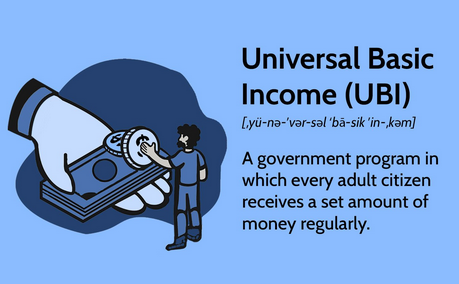
Universal basic income (UBI) provides a recurring cash payment to every eligible person. It removes complex qualification rules and delivers money directly. In simple terms, it works like a national dividend. Money flows into a protected system, and that system distributes payments on a fixed schedule.
However, the idea only works if three elements stay aligned. First, the funding must remain stable. Second, the distribution must stay automatic. Third, the legal structure must block misuse. Without those three pieces, UBI quickly turns into a short-term political program instead of a long-term system.
Research from McKinsey Global Institute and OECD labor studies shows that automation will continue to reshape labor markets. Therefore, policymakers increasingly explore UBI as a stabilizing mechanism.
Universal Basic Income (UBI) Explained in Simple Terms
UBI means every eligible person receives a monthly payment with no conditions attached. People do not need to apply repeatedly, prove hardship, or meet ongoing requirements. Instead, the system pays automatically once eligibility is verified.
As a result, individuals gain a financial baseline. This baseline does not replace income from work. Instead, it reduces extreme financial instability. In addition, it gives people more flexibility when making decisions about employment, education, or family needs.
At the same time, simplicity reduces administrative costs. Governments avoid complex verification systems, and people avoid bureaucratic delays.
How Universal Basic Income (UBI) Works in Practice
A UBI system operates through a centralized payment structure. Typically, a treasury-level authority manages the system. It verifies identity using existing records such as Social Security or tax data. After verification, the system sends payments automatically each month.
Payments can move through direct deposit, debit cards, or digital wallets. Because automation handles distribution, administrative overhead stays relatively low. At the same time, identity systems reduce fraud and duplication.
Several design options exist. For example, governments may issue flat payments to adults only. Alternatively, they may include children or provide additional support for dependents. In many cases, policymakers choose hybrid models that combine universal payments with targeted supplements.
Transparency remains essential. Therefore, public dashboards should display revenue, payouts, and administrative costs. This visibility builds trust and reduces the risk of misuse.
How Universal Basic Income (UBI) Can Be Funded
Funding determines whether UBI succeeds or fails. A meaningful program requires large, stable revenue sources. Consequently, most realistic models combine several funding streams.
Consumption Taxes (VAT)
A value-added tax collects revenue across the entire economy. It captures value created by automation and high-scale production. Because of its broad base, it can support large programs more effectively than narrow taxes.
Corporate and Automation Taxes
Governments can tax corporations that benefit from automation. These taxes target sectors where technology replaces labor. As a result, part of the productivity gain returns to the public.
Wealth and Capital Gains Taxes
Taxes on investments, stock buybacks, and capital gains provide another funding stream. These taxes focus on accumulated wealth rather than wages.
Sovereign Wealth Funds
Public investment funds generate returns over time. Governments can distribute those returns as dividends. Alaska’s Permanent Fund demonstrates this model on a smaller scale.
Program Consolidation
Some proposals replace existing welfare programs with UBI. While this approach simplifies the system, it raises concerns about whether vulnerable populations receive enough support.
Overall, no single source can fully fund UBI. Instead, sustainable systems rely on a balanced mix of revenue streams.
Legal Protections Required for Universal Basic Income (UBI)
Strong legal safeguards protect UBI funds from misuse. Without these safeguards, governments could redirect funds during budget pressures.
Constitutional Protection
A constitutional amendment provides the strongest protection. It defines how funds are collected and used. Because of this, it prevents easy changes by future governments.
Dedicated Trust Fund
A separate trust fund keeps UBI money isolated from general spending. This separation prevents commingling and protects the integrity of the system.
Anti-Diversion Rules
Strict laws must prohibit transferring UBI funds to unrelated programs. These rules ensure the money serves only its intended purpose.
Automatic Payment Mandates
The law should require payments automatically. This prevents delays caused by annual budget negotiations.
Transparency and Oversight
Public reporting ensures accountability. Governments must publish financial data regularly. As a result, citizens can monitor how the system operates.
Economic and Capitalist Impact of Universal Basic Income (UBI)
UBI interacts with capitalism in several ways. On one hand, it supports consumer spending. On the other hand, it raises concerns about taxation and incentives.
Supporters argue that UBI strengthens markets by maintaining demand. Additionally, it enables entrepreneurship by reducing financial risk. In contrast, critics worry about reduced work incentives and increased tax burdens.
Therefore, successful systems must balance stability with productivity. They should support economic activity rather than replace it.
Social Impact of Universal Basic Income (UBI)
Socially, UBI can reduce poverty and financial stress. It provides a consistent safety net in an unpredictable economy. Because of this, households gain more stability.
At the same time, UBI does not solve every issue. Housing, healthcare, and education remain separate challenges. Therefore, policymakers must combine UBI with other reforms.
Ultimately, UBI works best as a foundation rather than a complete solution.
Conclusion: Can Universal Basic Income (UBI) Work?
Universal basic income can work when funding, structure, and legal protections align. Without those elements, the system becomes unstable.
When designed correctly, UBI provides long-term stability in a changing economy. It strengthens resilience without replacing economic activity.


You must be logged in to post a comment.