
- Programs framed as reform
- Still operate inside punitive environments
Institutional Pattern
- History of prosecutorial misconduct
- Delayed accountability
- Systemic indifference to harm
Why Restraint Chair Abuse Matters
The combination of immobilization, isolation, and delay creates conditions consistent with inhumane treatment.
Restraint chair abuse is not an isolated event—it is part of a broader system where pressure replaces due process.
- Constant surveillance
- Minimal interaction
- Psychological destabilization
Jail-Based Competency Programs
- Programs framed as reform
- Still operate inside punitive environments
Institutional Pattern
- History of prosecutorial misconduct
- Delayed accountability
- Systemic indifference to harm
Why Restraint Chair Abuse Matters
The combination of immobilization, isolation, and delay creates conditions consistent with inhumane treatment.
Restraint chair abuse is not an isolated event—it is part of a broader system where pressure replaces due process.
- Detainees deemed incompetent have waited up to 618 days for care
- Mental deterioration increases during delay
- Lack of treatment becomes structural harm
Isolation and Sensory Deprivation
- Constant surveillance
- Minimal interaction
- Psychological destabilization
Jail-Based Competency Programs
- Programs framed as reform
- Still operate inside punitive environments
Institutional Pattern
- History of prosecutorial misconduct
- Delayed accountability
- Systemic indifference to harm
Why Restraint Chair Abuse Matters
The combination of immobilization, isolation, and delay creates conditions consistent with inhumane treatment.
Restraint chair abuse is not an isolated event—it is part of a broader system where pressure replaces due process.

Restraint Chair Abuse in Williamson County Jail
Restraint chair abuse inside Williamson County Jail occurs when immobilization devices are used not for safety, but as tools of punishment, humiliation, and psychological pressure inside detention environments.
By LeRoy Nellis | Austin, Texas
For related documentation, see the systemic detention timeline and the pretrial detention analysis.
For legal context, review Fourteenth Amendment protections.
Restraint Chair Abuse — The Procession
I had passed an independent psychological exam two weeks earlier. Cleared. Stable. Fit to engage. Inside Williamson County Jail, that meant nothing.
I was placed in a suicide prevention garment—stripped of identity under the guise of safety. No dignity. Just fabric and surveillance.
Then came the chair.
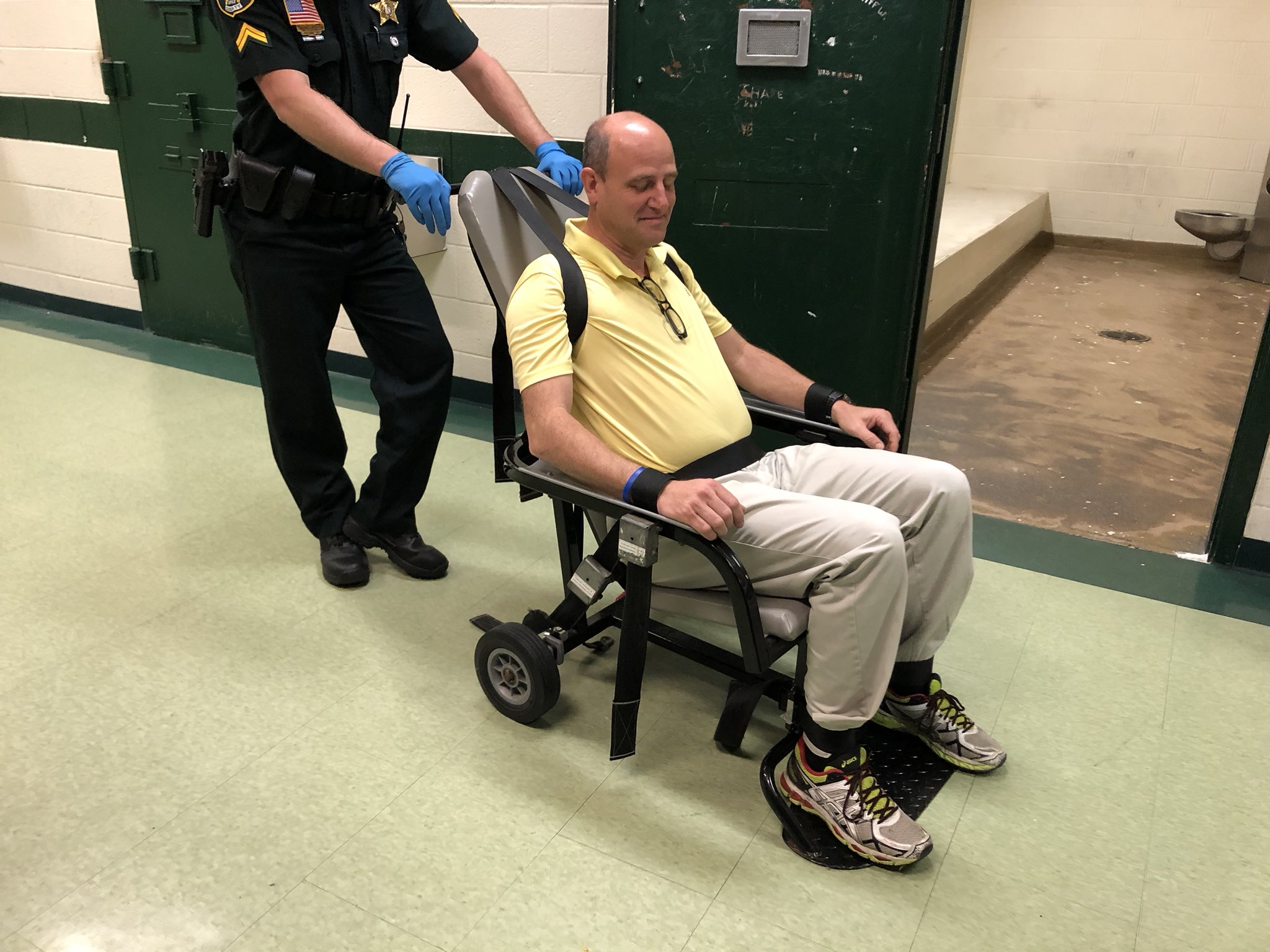
It had wheels. They strapped me in—wrists cinched, circulation fading—and moved me through the jail. Down hallways. Past cells. Past guards. Past people who looked away.
I was not being treated. I was being displayed.
I was taken from the fourth floor to intake and left there for hours. Immobilized. Hands turning purple. No explanation. No medical check. No justification.
The reason: I tried to hold onto my Bible and prayer rug.
This was not safety protocol. This was restraint chair abuse.
Systemic Harm in Williamson County Jail
Psychiatric Neglect as Pressure
- Detainees deemed incompetent have waited up to 618 days for care
- Mental deterioration increases during delay
- Lack of treatment becomes structural harm
Isolation and Sensory Deprivation
- Constant surveillance
- Minimal interaction
- Psychological destabilization
Jail-Based Competency Programs
- Programs framed as reform
- Still operate inside punitive environments
Institutional Pattern
- History of prosecutorial misconduct
- Delayed accountability
- Systemic indifference to harm
Why Restraint Chair Abuse Matters
The combination of immobilization, isolation, and delay creates conditions consistent with inhumane treatment.
Restraint chair abuse is not an isolated event—it is part of a broader system where pressure replaces due process.