

- Administrative denials based on technicalities
- Internal review by the same authority accused
- Delay until evidence and complaints degrade
This system transforms complaints into procedural closures rather than investigative outcomes.
Medical Neglect as Operational Practice
- Chronic conditions ignored or minimized
- Medication delays reframed as logistics
- Emergencies classified as behavioral issues
Liability is distributed across contractors and agencies, preventing clear accountability.
Isolation and Psychological Pressure
Environmental controls such as lighting, temperature, and sensory restriction are applied without transparency, producing measurable psychological effects.
Sleep disruption and cognitive degradation increase compliance without leaving visible evidence.
This is behavioral pressure, not rehabilitation.
Financial Incentives Behind the System
Detention systems are tied to revenue through occupancy and contract structures. Longer detention periods stabilize funding.
Accountability introduces financial risk—creating resistance to meaningful reform.
Oversight Without Enforcement
Violations are documented but rarely penalized. Findings are framed as technical issues, and compliance remains largely voluntary.
This creates a system where noncompliance is economically viable.
Conclusion
Texas jail oversight failure is not a lack of rules—it is a failure to enforce them in a way that protects human rights.
Oversight exists. Accountability does not.
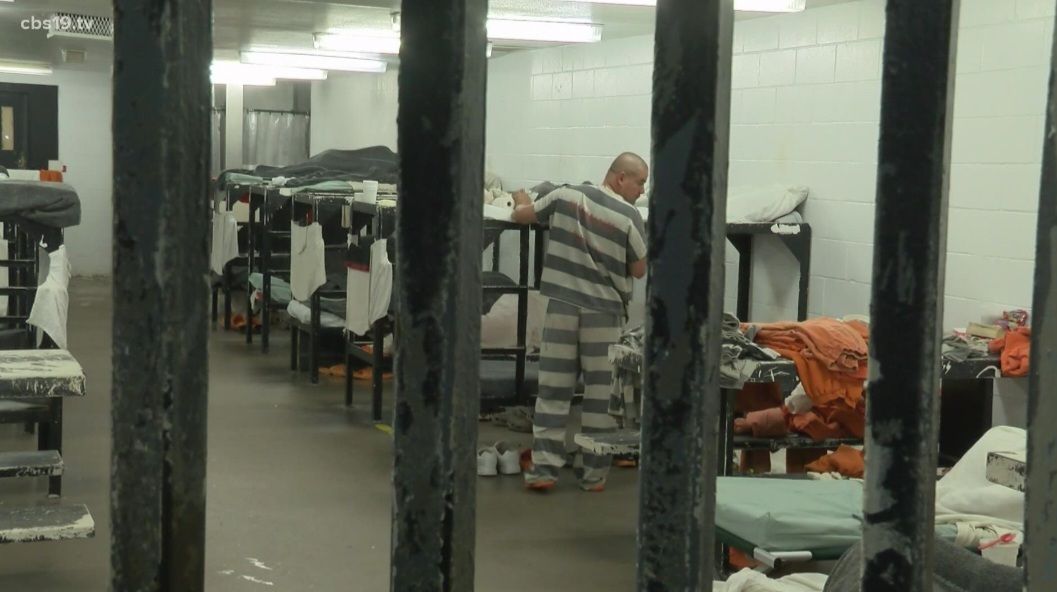
Texas Jail Oversight Failure: Systemic Corruption and Human Rights Violations
Texas jail oversight failure describes a system where formal regulation exists, but enforcement mechanisms fail to prevent abuse, allowing county jails to operate with minimal accountability.
By LeRoy Nellis
Austin, Texas
For related documentation, see the systemic detention timeline and the live evidentiary record.
For regulatory context, review Texas Commission on Jail Standards and Fourteenth Amendment protections.
Texas Jail Oversight Failure — The Illusion of Regulation
Texas presents a framework of regulation—inspections, reporting systems, and compliance protocols. In practice, these systems operate as institutional protection mechanisms rather than safeguards for detainees.
Facilities prepare for inspections through surface-level adjustments, creating a curated environment that does not reflect actual conditions.
The result is defensibility, not accountability.
Complaint Systems Designed to Fail
- Administrative denials based on technicalities
- Internal review by the same authority accused
- Delay until evidence and complaints degrade
This system transforms complaints into procedural closures rather than investigative outcomes.
Medical Neglect as Operational Practice
- Chronic conditions ignored or minimized
- Medication delays reframed as logistics
- Emergencies classified as behavioral issues
Liability is distributed across contractors and agencies, preventing clear accountability.
Isolation and Psychological Pressure
Environmental controls such as lighting, temperature, and sensory restriction are applied without transparency, producing measurable psychological effects.
Sleep disruption and cognitive degradation increase compliance without leaving visible evidence.
This is behavioral pressure, not rehabilitation.
Financial Incentives Behind the System
Detention systems are tied to revenue through occupancy and contract structures. Longer detention periods stabilize funding.
Accountability introduces financial risk—creating resistance to meaningful reform.
Oversight Without Enforcement
Violations are documented but rarely penalized. Findings are framed as technical issues, and compliance remains largely voluntary.
This creates a system where noncompliance is economically viable.
Conclusion
Texas jail oversight failure is not a lack of rules—it is a failure to enforce them in a way that protects human rights.
Oversight exists. Accountability does not.