
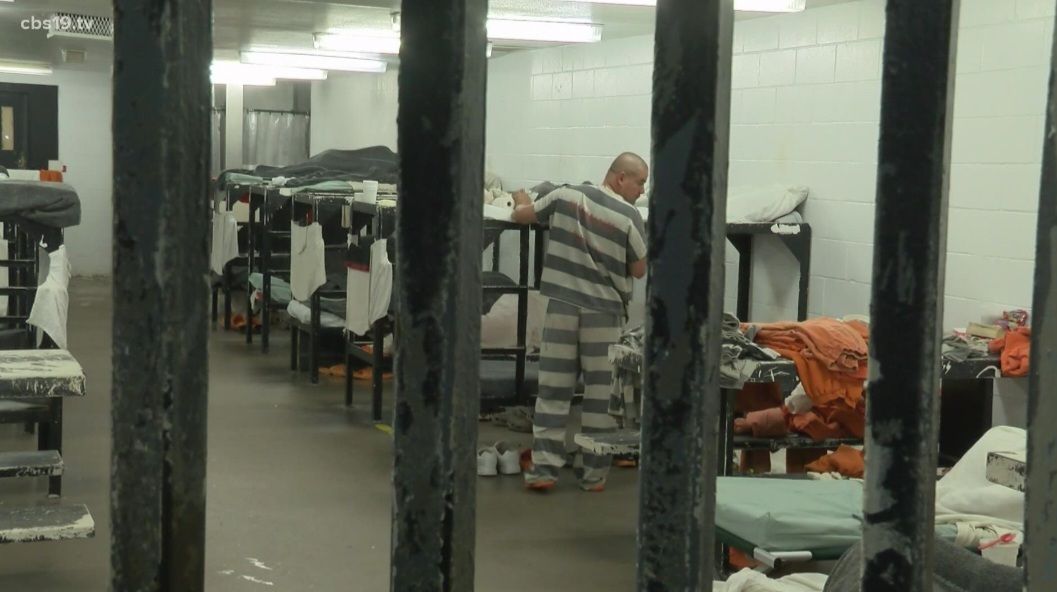
Oversight Without Accountability: Systemic Corruption and Human Rights Violations in Texas County Jails
By LeRoy Nellis
Austin, Texas
Executive takeaway: Texas county jails operate inside a compliance theater—lots of forms, zero consequences. Oversight exists on paper. Accountability does not. The result is a closed-loop system that monetizes detention, externalizes harm, and neutralizes complaints through procedure instead of truth.
The Illusion of Oversight
Texas likes to advertise regulation. On the org chart, everything looks buttoned-up: inspections, standards, reporting channels. In practice, oversight functions as risk management for institutions, not protection for human beings.
Inspection regimes are episodic and predictable. Facilities prep for visits the way companies prep for audits—surface cleanups, temporary staffing shifts, and selective disclosures. What inspectors see is curated normalcy, not lived reality.
The KPI isn’t safety. It’s defensibility.
Complaint Systems Designed to Fail
County jails route grievances through internal kiosks and paper trails that appear neutral but are structurally hostile to detainees. The system emphasizes categorization over investigation and closure over correction.
- Administrative denials based on phrasing, timing, or classification
- Circular review where the accused authority evaluates itself
- Delay as deterrence until evidence decays and people break
This is governance by attrition. If enough time passes, the problem becomes “unsubstantiated” by default.
Medical Neglect as a Cost-Control Strategy
Healthcare inside Texas county jails is frequently outsourced, under-resourced, and shielded by contracts that prioritize budget predictability over patient outcomes.
- Chronic conditions minimized or ignored
- Medication delays framed as “logistics”
- Medical emergencies reclassified as “behavioral issues”
When harm occurs, liability is fragmented across vendors, counties, and insurers—everyone touches the file; no one owns the outcome.
Isolation, Sensory Stress, and Psychological Pressure
So-called “protective” measures—constant lighting, temperature manipulation, deprivation of normal stimuli—are deployed with little transparency and no meaningful review. These tactics exploit neurobiology without leaving bruises.
Sleep disruption, sensory overload, and isolation degrade cognition, spike anxiety, and increase compliance. That’s not accidental. It’s operational.
This isn’t rehabilitation. It’s behavioral leverage.
The Money Trail: Why the System Persists
County jails sit at the intersection of local budgets and federal contracts. Beds generate revenue. Longer stays stabilize cash flow. Oversight that actually bites would threaten both.
Intergovernmental detention agreements and per-diem reimbursement structures reward capacity and occupancy, not outcomes. When detention is profitable, accountability becomes a rounding error.
Oversight Bodies Without Teeth
State commissions and external reviewers rarely impose meaningful sanctions. Findings are framed as “technical deficiencies.” Remedies are voluntary. Repeat violations carry minimal risk.
This creates a moral hazard: noncompliance is cheaper than reform, settlements become a cost of doing business, and reporting harm invites retaliation or indifference.
Human Rights, Rebranded as “Operations”
International norms prohibit cruel, inhuman, and degrading treatment. Texas county jails avoid the language—and keep the practices.
By reclassifying harm as policy, symptoms as misconduct, and suffering as procedure, institutions convert rights violations into operational noise.
The system doesn’t deny harm. It relabels it.
What Real Accountability Would Require
- Independent investigations with subpoena power
- Public, detainee-specific reporting
- Financial penalties tied to verified harm
- Medical oversight independent of jail administration
- Whistleblower protections with real enforcement
This isn’t radical reform. It’s baseline governance. The resistance isn’t technical—it’s financial and political.
Bottom Line
Texas county jails are not under-regulated. They are over-proceduralized and under-accountable. Oversight mechanisms exist to absorb liability, not to stop abuse.
If accountability were the goal, it would already be happening.
 LeRoy Nellis