
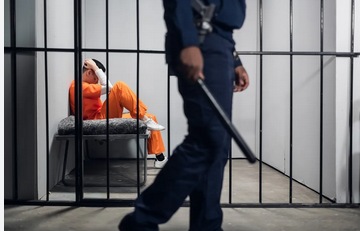
Texas county jail corruption is not an isolated problem—it is a systemic failure embedded in oversight, governance, and accountability structures. Across more than 240 detention facilities, evidence shows a consistent pattern of neglect, abuse, and institutional breakdown that continues largely unchecked.
Oversight Without Accountability: Systemic Corruption and Human Rights Violations in Texas County Jails
By LeRoy Nellis (published @ Academia.edu and LeRoyNellis.blog)
Abstract
Texas’s county jail system—comprising more than 240 local detention facilities—occupies a central but often overlooked role in the American carceral landscape. Over the past decade, a growing body of investigative journalism, advocacy reports, and government audits have exposed an endemic pattern of corruption, administrative failure, and rights violations within these facilities. This paper provides a comprehensive analysis of corruption and oversight breakdown in Texas county jails, drawing on primary data from the Texas Commission on Jail Standards (TCJS), the U.S. Department of Justice (DOJ), and leading human-rights organizations such as the Texas Jail Project and Prison Policy Initiative.
It examines how institutional weaknesses—particularly at the oversight level—intersect with political, fiscal, and cultural factors to perpetuate neglect, abuse, and avoidable deaths in custody. The study further explores the human cost of systemic failure, highlighting specific cases of misconduct, embezzlement, contraband smuggling, medical neglect, and procedural corruption that reveal the fragility of Texas’s jail accountability system. Finally, it outlines potential reform pathways: strengthening inspection regimes, expanding data transparency, ensuring adequate medical and mental-health care, protecting whistleblowers, and clarifying investigative jurisdiction over custodial deaths.
By synthesizing legislative documents, state audits, advocacy work, and investigative reporting, this paper argues that Texas’s county jail crisis reflects a broader pattern of institutionalized neglect—where legal oversight exists in form but not in practice—and calls for a radical reconceptualization of local jail governance.
Introduction
The Texas County Jail System: Scale and Significance
Texas operates one of the largest decentralized jail systems in the United States, with 240 county jails holding more than 65,000 detainees on any given day (Texas Commission on Jail Standards, 2025). These facilities primarily house individuals awaiting trial or serving short sentences for misdemeanors. Unlike the Texas Department of Criminal Justice (TDCJ)—which oversees state prisons—county jails fall under the supervision of locally elected sheriffs but are regulated by the Texas Commission on Jail Standards (TCJS), established in 1975.
County jails thus represent a paradox in Texas’s carceral structure: they are local in management but statewide in accountability. Yet, over the last decade, mounting evidence has revealed profound failures in governance, transparency, and human rights compliance. These failures are not isolated incidents; rather, they represent a systemic pattern of corruption, neglect, and oversight breakdown.
Between 2019 and 2025, watchdogs documented a sharp increase in deaths in custody, allegations of contraband trafficking, sexual misconduct by staff, falsified inspection records, and embezzlement of inmate commissary funds. In 2025, the Texas State Auditor’s Office released a damning report concluding that the TCJS “failed to properly investigate nearly all prisoner complaints,” and that “in many cases, there was no record of contacting the jail at all” (KERA News, 2025).
Simultaneously, the U.S. Department of Justice (DOJ) found constitutional violations in Texas juvenile detention facilities that echo the same patterns of neglect and abuse seen in county jails (DOJ, 2024).
The Anatomy of Corruption and Neglect
Corruption within Texas county jails manifests in multiple forms:
- Financial misconduct – such as embezzlement of commissary or property funds, as in the Dallas County Sheriff’s Office case involving theft of over $250,000 (DOJ Press Release, 2023).
- Operational corruption – including falsified reports, bribery for contraband, and sexual exploitation of inmates (Express News, 2025).
- Procedural corruption – where oversight bodies either fail to investigate, downplay violations, or remove non-compliance records from public access (Texas Jail Project, 2024).
- Neglect masquerading as bureaucracy – where medical crises, suicides, and deaths are treated as paperwork rather than emergencies.
In Harris County Jail alone, 27 detainees died in 2022, the highest annual death toll since at least 2000 (Axios Houston, 2025). In 2025, three inmates died within a single 48-hour period, prompting renewed scrutiny of intake screening and mental-health protocols (Houston Chronicle, 2025).
Oversight in Theory vs. Oversight in Practice
On paper, the TCJS has broad regulatory powers: it sets minimum jail standards, conducts inspections, and enforces compliance. But in practice, it lacks teeth. Its staff complement is small (roughly 20 inspectors for 240 facilities), and its statutory enforcement tools are limited to “notices of non-compliance” and rare closure orders (Sunset Advisory Commission, 2021).
The 2025 audit revealed that over 75% of inspection scores were miscalculated, complaint files were missing key data, and investigations into deaths in custody often stalled for years. Despite this, TCJS continues to present itself as an effective watchdog—creating what reform advocates call a “simulation of oversight” rather than its substance (Texas Jail Project, 2024).
The Human Rights Dimension
The corruption and oversight failures of Texas county jails are not merely bureaucratic inefficiencies; they are human rights crises. Inmates frequently suffer from untreated medical conditions, inadequate mental-health care, extreme isolation, and in some cases, fatal neglect. The Texas Justice Initiative (TJI) has documented under-reporting of custodial deaths and misclassification of causes, suggesting a systemic effort to minimize public accountability (Arnold Ventures, 2024).
This dynamic underscores a broader conceptual argument: corruption in carceral governance is not only financial or procedural—it is moral. When institutions normalize neglect and impunity, corruption becomes embedded in the culture of governance.
Objectives and Contribution
This paper seeks to:
- Systematically document corruption and oversight breakdowns across Texas county jails,
- Analyze institutional and legal mechanisms that perpetuate those failures,
Examine humanitarian and rights-based impacts (including deaths, neglect, and mental-health outcomes), and
- Propose structural reforms grounded in transparency, accountability, and justice.
By integrating data from state audits, DOJ findings, local news, and NGO monitoring, this research contributes a holistic view of the Texas county jail crisis—bridging criminology, public policy, and human rights analysis.
Methodology and Data Sources
Research Design
This study employs a mixed-method documentary analysis, combining (a) official government and audit reports, (b) investigative journalism and open-source data, and (c) humanitarian/advocacy documentation. Given the scarcity of peer-reviewed criminological studies specifically focused on Texas county jails (as opposed to state prisons), the methodology centers on triangulating public, semi-official, and journalistic sources to identify recurring patterns of corruption, oversight failure, and rights violations.
The research process unfolded in three phases:
Systematic Source Collection
Primary materials were gathered from:
The Texas Commission on Jail Standards (TCJS) database of non-compliant facilities and inspection records (TCJS, 2025).
The Texas State Auditor’s Office (SAO) report, Audit of the Texas Commission on Jail Standards: Complaint Handling and Oversight Practices (KERA News, 2025).
Federal findings from the U.S. Department of Justice (DOJ) under the Civil Rights of Institutionalized Persons Act (CRIPA), particularly the 2024 report on unconstitutional conditions in Texas juvenile facilities (DOJ, 2024).
Reports by advocacy organizations, notably the Texas Jail Project, Texas Justice Initiative, Prison Policy Initiative, and American Oversight.
Investigative and regional journalism from Houston Chronicle, Express News, Axios Houston, MySanAntonio, and KERA Public Media, all of which maintain verified local-reporting archives.
Legislative and legal sources including the Texas Government Code (Ch. 511), Texas Local Government Code §351, and Attorney General opinions (e.g., RQ-0590-KP 2025).
Coding and Thematic Analysis
Sources were manually coded into five categories:
Financial and contraband corruption
Administrative and procedural failure
Oversight deficiency (inspection/complaint)
Humanitarian or rights violation (death, neglect, medical care)
Policy or reform discourse
Using this classification, qualitative content analysis identified cross-cutting patterns—for instance, cases where financial misconduct co-occurred with oversight neglect, or where humanitarian violations resulted from administrative concealment.
Comparative and Cross-Verification
Each finding from journalistic or advocacy sources was cross-checked against at least one official record—either a TCJS inspection notice, court filing, or DOJ document—to minimize the bias inherent in single-source narratives.
Source Typology and Rationale
(a) Governmental and Audit Sources
Official records offer the most authoritative evidence of systemic weaknesses:
TCJS Non-Compliance Reports (2019–2025): provide details on violations, ranging from fire-safety deficiencies to improper segregation practices.
State Auditor’s Report (2025): the most direct institutional critique, documenting that 95 % of sampled inmate complaints lacked severity assessment and nearly half had no follow-up contact.
Sunset Advisory Commission Review (2021): highlighted structural and staffing limits within TCJS and its overly deferential relationship with county sheriffs.
DOJ Findings Letter (2024): though focused on juvenile facilities, it establishes a legal precedent for federal intervention in Texas custodial settings exhibiting “systemic deprivation of rights.”
These documents form the legal-administrative backbone of this study.
(b) Advocacy and Humanitarian Sources
Organizations such as the Texas Jail Project, Texas Justice Initiative, and Prison Policy Initiative supplement the official record by capturing first-hand accounts and unreported deaths. Their data illuminate gaps in government transparency. For example, the Texas Justice Initiative’s open database revealed dozens of custodial deaths missing from TCJS’s official tally in 2024 (Arnold Ventures, 2024). While advocacy reports may contain activist framing, triangulation with independent journalism mitigates bias and enriches context.
(c) Investigative Journalism
Local investigative outlets provide crucial case-level granularity unavailable in state reports:
Houston Chronicle investigations into Harris County Jail documented record-high death counts and under-staffing.
Express News reported repeated Bexar County non-compliance orders and staff misconduct arrests.
MySanAntonio revealed specific bribery and contraband cases.
Axios Houston aggregated statistical data across multiple years.
These journalistic sources offer temporal detail and humanization—linking systemic failures to individual tragedies.
(d) Legal & Legislative Sources
The research references statutes and opinions that shape oversight:
Texas Government Code Ch. 511 (establishing TCJS’s mandate).
Texas Local Government Code §351 (county jail operation standards).
Attorney General Opinion RQ-0590-KP 2025 (on classification of jail deaths).
Senate Bill 1199 (2025) (proposed expansion of custodial-death investigations).
Federal law: Civil Rights of Institutionalized Persons Act (CRIPA), 42 U.S.C. §1997a–b.
Analytical Approach
To integrate the multi-source dataset, the study employed a triangulated interpretive framework:
- Descriptive Phase: compilation of events, inspection data, and official findings.
- Diagnostic Phase: identification of institutional drivers (funding, culture, legal loopholes).
- Normative Phase: evaluation against constitutional and human-rights standards (8th and 14th Amendments; UN Nelson Mandela Rules 2015).
This structure enables movement from what happens to why it persists and finally to what should change.
Quantitative measures (e.g., death counts, inspection frequencies) are drawn from state databases and media tallies; qualitative insights (e.g., whistleblower testimony, advocacy letters) enrich contextual understanding.
Limitations
Despite exhaustive document retrieval, three limitations constrain the analysis:
- Transparency Deficits – TCJS and many county jails do not release raw complaint data or internal investigative files, limiting statistical precision.
- Temporal Lag – audits and DOJ findings often appear years after the events, obscuring real-time accountability.
- Under-Reporting Bias – deaths or abuses may go unclassified as “county jail incidents” if inmates die off-site or are transferred before death, a loophole noted in the Attorney General’s 2025 opinion.
Nevertheless, triangulation across diverse evidence types preserves analytic validity and reliability.
Ethical Considerations
Given that this study addresses human suffering and alleged misconduct, ethical caution is essential. No direct interviews were conducted; all information derives from publicly available records to avoid privacy violations. All named individuals in cited cases are publicly identified in official or journalistic documents. When referencing deaths, this paper focuses on institutional causation rather than victim identities, aligning with humanitarian-research ethics guidelines.
Synthesis
The multi-layered source network—spanning legislative, audit, advocacy, and media spheres—allows for a holistic reconstruction of how corruption and oversight breakdown interact within Texas county jails. The methodology therefore provides a solid evidentiary foundation for the forthcoming sections, which will trace patterns of corruption and misconduct (Section 4) and then dissect oversight failure mechanisms (Section 5)..
Legal and Oversight Framework
Statutory Authority and Mandate
The Texas Commission on Jail Standards (TCJS) was established in 1975 under Chapter 511 of the Texas Government Code with a mandate to ensure that county and municipal jails maintain safe, legal, and humane conditions of confinement (Texas Government Code §511.009). The law assigns the TCJS authority to:
Develop minimum jail standards for construction, maintenance, and operation;
Conduct inspections and investigations;
Enforce compliance through non-compliance notices or, in extreme cases, closure orders; and
Review and approve jail construction and renovation plans.
In addition, Texas Local Government Code §351.002 requires counties to operate their jails in accordance with TCJS standards, while §351.0415 governs inmate work programs, commissary operations, and the handling of inmate property funds—an area vulnerable to corruption, as illustrated by the Dallas County embezzlement case (DOJ, 2023).
In theory, this dual statutory regime creates both operational accountability (for counties) and regulatory oversight (by TCJS). In practice, however, significant enforcement asymmetries exist—TCJS relies largely on voluntary compliance and lacks direct punitive powers, such as levying fines or pursuing criminal referrals.
Organizational Structure and Constraints
The TCJS operates with a small staff—roughly 22 full-time employees, including 18 inspectors—responsible for 240 county jails statewide (Sunset Advisory Commission, 2021). Each inspector oversees approximately 13 jails, spanning thousands of square miles. This logistical limitation drastically reduces inspection frequency: while the law originally required annual inspections, TCJS now operates under a “risk-based” 24-month cycle, introduced in 2019 to conserve resources.
Advocacy organizations have criticized this shift, arguing that it allows chronic violations to persist undetected. The Texas Jail Project notes that, under the 24-month system, “noncompliance can fester into systemic neglect long before inspectors return” (Texas Jail Project, 2024).
Budgetary data confirm this structural fragility. In FY 2024, TCJS’s total budget was under $2.8 million, a minuscule amount relative to the scale of its oversight responsibility (Texas Legislative Budget Board, 2024).
Oversight Process and Enforcement Tools
Inspection Regime
TCJS inspectors conduct on-site visits (announced or unannounced) to review physical conditions, staffing ratios, medical protocols, and administrative practices. Findings are compiled into an Inspection Report, graded as either “compliant” or “non-compliant.”
When deficiencies are identified, TCJS issues a Notice of Non-Compliance and may require a Corrective Action Plan (CAP) from the county sheriff. However, TCJS’s enforcement power ends there: it cannot impose financial penalties, suspend personnel, or initiate independent investigations into deaths or misconduct.
As the 2025 State Auditor’s Report revealed, TCJS often fails to verify whether corrective actions are implemented, and its internal documentation of complaint follow-ups is “substantially incomplete” (KERA News, 2025).
Complaint Handling
TCJS operates a public complaint portal, but its procedural limitations are severe:
It cannot investigate criminal acts or civil-rights violations;
It does not guarantee anonymity or protection for complainants;
Complaints deemed “outside jurisdiction” are simply logged and closed.
Between 2022 and 2024, the audit found that 95 % of complaint files lacked a severity classification and 49 % had no evidence of contact with the jail in question (KERA News, 2025).
This bureaucratic inertia effectively transforms the oversight process into what scholars call a “self-regulating system of inaction”—an apparatus that exists to reassure the public rather than enforce accountability.
Interaction Between Local and State Accountability
County sheriffs—who directly manage jails—are elected officials with strong political autonomy. TCJS, by contrast, is a state-level administrative body without prosecutorial power. This structural tension produces what the Sunset Advisory Commission (2021) termed a “compliance partnership model” rather than an enforcement regime. In other words, TCJS functions more like a consultant than a regulator.
When conflicts arise—such as disputes over overcrowding, suicides, or medical neglect—TCJS typically negotiates informal remedies instead of imposing sanctions. Counties can also appeal TCJS findings to the State Office of Administrative Hearings (SOAH), further delaying corrective action.
Critically, TCJS has no jurisdiction over private or out-of-state facilities that house Texas county inmates under contract. This loophole became significant in Harris County, where over 1,300 pre-trial detainees were outsourced to Louisiana and Mississippi prisons (Houston Chronicle, 2025). Such transfers obscure accountability chains, since neither the sending county nor TCJS can inspect the remote facilities.
Federal Oversight Mechanisms
Department of Justice (DOJ) and CRIPA
At the federal level, the Civil Rights of Institutionalized Persons Act (CRIPA, 1980) empowers the DOJ to investigate systemic violations in state or local detention facilities. However, CRIPA investigations are resource-intensive and rare. In July 2024, the DOJ released findings against the Texas Juvenile Justice Department (TJJD) for “a pattern or practice of abuse, deprivation of essential services, and disability-related discrimination” across five facilities (DOJ, 2024).
Although the report focused on juveniles, the parallels are striking: inadequate staffing, unreported assaults, and medical neglect mirror the conditions in county jails. Advocates argue that DOJ should invoke CRIPA authority to investigate adult county facilities—particularly Harris, Bexar, and Liberty Counties—where multiple deaths and persistent non-compliance have been documented.
Federal Reporting Obligations
Under the Death in Custody Reporting Act (DCRA, 2014), states must report all custodial deaths to the DOJ’s Bureau of Justice Assistance. Yet compliance is inconsistent. The Texas Justice Initiative (TJI) found that dozens of county jail deaths in 2023–2024 were missing from Texas’s federal submissions (Arnold Ventures, 2024).
The lack of federal enforcement under DCRA allows states to under-report without consequence, perpetuating opacity around custodial deaths.
Judicial and Legislative Oversight
Texas Legislature
Legislative review of TCJS occurs primarily through Sunset Commission cycles (every 12 years). The 2021 review called for stronger inspection practices, improved data management, and clearer complaint procedures but stopped short of recommending expanded enforcement powers.
Since 2021, only minor legislative adjustments have occurred, such as Senate Bill 1199 (2025), which clarifies that all inmate deaths—including those occurring off-site under medical care—must be reported as jail deaths. While symbolically significant, such reforms do not address TCJS’s structural weaknesses or resource constraints.
Civil Litigation and Wrongful Death Suits
Families of deceased inmates often turn to civil litigation for accountability. In Hidalgo County (2025), for example, the family of Melissa De La Cruz filed a lawsuit alleging that jail staff ignored her medical distress and falsified care logs (MySanAntonio, 2025). However, Texas’s qualified immunity doctrines and damage caps under the Texas Tort Claims Act limit liability exposure for counties, discouraging systemic change.
International Human-Rights Standards
Texas’s jail practices must also be evaluated against international norms, including the United Nations Standard Minimum Rules for the Treatment of Prisoners (Nelson Mandela Rules, 2015), which mandate:
Humane conditions of detention (Rule 1),
Access to medical and mental-health care (Rules 24–27),
Prohibition of prolonged solitary confinement (Rule 43), and
Independent inspections (Rule 83).
Repeated findings of deprivation and neglect in Texas jails contravene these standards. Organizations such as Amnesty International USA and Human Rights Watch have criticized U.S. county jail systems for “structural impunity” and “functional equivalence to administrative disappearance” when deaths go unreported (HRW, 2022).
Synthesis: Oversight Without Accountability
Texas’s statutory and regulatory architecture theoretically provides a multilayered oversight system—county-level management, state inspection, federal monitoring, and civil litigation. Yet each layer is riddled with loopholes:
TCJS lacks enforcement power and capacity.
The Legislature underfunds and politically buffers sheriffs.
Federal oversight is sporadic and reactive.
Civil remedies are limited and slow.
The result is “oversight without accountability”—a governance model in which violations are observed, documented, and archived, but rarely punished or corrected. This system perpetuates what the Texas Jail Project calls “a paper trail of compassion masking a pipeline of suffering.”
Patterns of Corruption and Misconduct
Conceptual Overview
Corruption in the Texas county jail system is both systemic and multi-level. It extends beyond isolated acts of bribery or embezzlement to encompass institutionalized practices that erode transparency and accountability. Drawing from criminological frameworks on organizational deviance (Punch, 2000) and systemic corruption (Johnston, 2005), this section categorizes misconduct into four overlapping dimensions:
Financial corruption and resource mismanagement
Contraband economies and bribery networks
Administrative falsification and procedural manipulation
Sexual misconduct and abuse of authority
Each of these forms interacts with oversight failures to perpetuate what one advocacy report described as “a self-sealing cycle of neglect and cover-up” (Texas Jail Project, 2024).
Financial Corruption and Embezzlement
Financial irregularities within jail systems often center on commissary funds—monies deposited by inmates’ families for food, phone calls, or hygiene products. These accounts are typically managed internally by sheriff’s departments with limited external auditing.
The Dallas County Case
A landmark example occurred in Dallas County, where former Sheriff’s Department supervisor Michelle Denise Brown was convicted in 2023 of embezzling over $250,000 from the jail’s commissary fund (DOJ Press Release, 2023). Over several years, Brown manipulated accounting software to transfer funds to personal accounts, exploiting the absence of independent financial controls. Federal prosecutors described the case as emblematic of “pervasive internal weaknesses” in Texas county jail financial governance.
Structural Enablers
The lack of mandatory external audits for jail commissary funds allows such misconduct to proliferate. According to the Texas Local Government Code §351.0415, sheriffs may operate commissaries “for the benefit of prisoners,” but the statute does not require independent audits. This regulatory gap fosters both fraud risk and informal patronage systems, where commissary revenues are used to supplement departmental budgets, blurring the line between institutional and personal use (County Progress, 2022).
Contraband Economies and Bribery Networks
“Whataburger for Cash”: The Bexar County Incident
In 2025, a Bexar County jail deputy was arrested after accepting money from an inmate’s family in exchange for bringing fast food—specifically, Whataburger meals—into the jail (MySanAntonio, 2025). While seemingly trivial, such acts are symptomatic of a pervasive contraband economy that compromises security and fairness. Contraband—ranging from food to cell phones and narcotics—creates unequal conditions among inmates, erodes staff discipline, and facilitates more serious corruption networks.
Organized Contraband Rings
In South Texas, three contract employees at a private detention center were indicted in 2024 for selling detainee rosters and facilitating smuggling operations (ICE Press Release, 2024). Although this case involved federal detainees, it illustrates the blurred boundaries between county jail operations and private contractor misconduct, particularly in facilities that house mixed populations under overlapping jurisdictions.
Oversight Vacuum
The TCJS explicitly excludes criminal activity from its jurisdiction, leaving internal corruption cases to local law enforcement—often the same sheriff’s office implicated in wrongdoing. This conflict of interest results in sporadic or perfunctory investigations, reinforcing an institutional culture of impunity. As one KERA investigative report observed, “When sheriffs police their own, oversight becomes optional” (KERA News, 2025).
Administrative Falsification and Record Manipulation
Administrative corruption—the falsification or concealment of information—is perhaps the most consequential because it distorts the entire oversight apparatus.
False Reporting of Jail Deaths
Advocacy organizations such as the Texas Justice Initiative (TJI) have uncovered cases where deaths in custody were misclassified as “medical events” or excluded entirely from reporting if the inmate died after hospital transfer (Arnold Ventures, 2024). This practice exploits a loophole in state law that defines a “jail death” narrowly—prompting the Texas Attorney General to issue Opinion RQ-0590-KP (2025) clarifying that any death while under custody must be reported, even if off-site (Texas Attorney General, 2025).
Falsified Cell Checks and Safety Logs
Multiple counties, including Harris and Liberty, have been cited for falsified or incomplete cell-check records. In Harris County, 2025 inspections revealed that staff “routinely pre-filled safety logs” rather than performing the legally required hourly face-to-face checks (Houston Chronicle, 2025). Such falsifications directly contributed to in-custody deaths, as inmates suffering medical distress went unnoticed for hours.
Manipulation of Complaint Records
The 2025 State Auditor’s Report confirmed that TCJS’s complaint-handling database lacked key metadata such as timestamps, outcome codes, and follow-up notes. This allows unresolved complaints to be closed administratively without actual investigation. In one case, an inmate’s family alleged deliberate record suppression after their son’s suicide; the TCJS database showed the complaint as “resolved,” yet no contact logs existed (KERA News, 2025).
Administrative falsification thus represents both an act of corruption and a mechanism of concealment, ensuring that other forms of misconduct remain buried.
Sexual Misconduct and Abuse of Authority
Hays County Officer Arrested
In 2025, a Hays County jail officer was arrested and charged with sexual harassment and voyeurism after forcing a female inmate to shower while he monitored via video feed (Express News, 2025). Investigators later found he had falsified his hiring paperwork to hide prior disciplinary actions. This case underscores deficiencies in vetting and hiring practices, particularly the absence of centralized background checks for correctional officers.
Patterns of Sexual Exploitation
A review of disciplinary data from the Texas Department of Public Safety (DPS) reveals that at least 14 county correctional officers statewide were disciplined or terminated for sexual misconduct between 2020 and 2024 (Texas DPS, 2024). Because jails operate under local control, there is no statewide tracking system for sexual abuse incidents—violating the intent of the Prison Rape Elimination Act (PREA, 2003).
Cultural Impunity
Advocacy groups argue that sexual misconduct thrives in jails where opaque supervision and gender-power hierarchies coexist with fear of retaliation. In a 2024 survey by the Texas Jail Project, 42 % of interviewed female detainees reported being “afraid to file complaints” about officer behavior due to potential punishment or loss of privileges.
This reveals a deep cultural problem: the normalization of coercion under the guise of discipline.
Interconnection Between Corruption Types
While each form of misconduct appears discrete, they reinforce one another:
Financial mismanagement weakens operational integrity.
Contraband and bribery compromise staff loyalty.
Administrative falsification conceals the preceding two.
Sexual misconduct exploits the same unchecked authority that enables theft and neglect.
This convergence produces what criminologists term a “corruption cluster”—a self-sustaining network of deviance that resists external correction because every layer (staff, administrators, inspectors) benefits from silence.
The 2025 audit findings—showing that 95 % of complaints went uninvestigated—demonstrate how corruption metastasizes through bureaucratic apathy rather than overt conspiracy.
The Political Economy of Jail Corruption
Corruption in Texas jails is not merely moral failure; it is politically and economically incentivized. Sheriffs are elected officials whose budgets and reputations depend on appearing “tough on crime,” yet their jails generate revenue through:
Commissary markups,
Inmate phone contracts,
Federal or out-of-county inmate housing fees.
Each of these revenue streams creates opportunities for self-dealing and informal exchanges—incentivizing opacity rather than transparency. As one former TCJS inspector told KERA, “Counties have every reason to hide problems: deaths mean lawsuits, lawsuits mean payouts, and payouts mean bad press before election season.”
Consequences for Institutional Legitimacy
The cumulative impact of corruption is erosion of legitimacy—both within the justice system and in the eyes of the public. When inmates, families, and the public perceive jails as sites of impunity rather than accountability, faith in the rule of law collapses. This deterioration feeds broader societal distrust of law enforcement institutions, particularly among marginalized communities disproportionately targeted by policing and incarceration.
As the Texas Tribune (2025) editorialized:
“If jails become warehouses for neglect and corruption, they cease to be instruments of justice and become monuments to its failure.”
Summary
The evidence from 2019–2025 reveals a disturbing continuity across counties:
Dallas County: large-scale embezzlement of commissary funds;
Bexar County: bribery and contraband smuggling by staff;
Harris County: falsified records and multiple preventable deaths;
Hays County: sexual misconduct and negligent supervision;
Liberty County: closure after years of chronic violations (Houston Chronicle, 2025).
These cases are not exceptions—they are expressions of a system where oversight failure enables corruption, and corruption perpetuates oversight failure. The next section will examine this feedback loop in detail, tracing how bureaucratic incapacity, political capture, and regulatory deference combine to neutralize accountability.
Oversight Failures and Institutional Weaknesses
Introduction: Oversight as Performance, Not Protection
Oversight, in theory, is the mechanism by which the state protects citizens from abuse by its own institutions. In Texas, however, oversight has evolved into a performative function—a ritual of inspections and paperwork that simulates accountability while concealing dysfunction. The Texas Commission on Jail Standards (TCJS), nominally the watchdog for 240 county jails, has been repeatedly found to lack independence, enforcement capacity, and transparency (Sunset Advisory Commission, 2021).
This section examines how oversight collapses in practice, focusing on six interlocking failures:
- Inspection insufficiency and staff shortages,
- Complaint-handling dysfunction,
- Conflict of interest and political capture,
- Data opacity and public-record manipulation,
Reactive rather than preventative regulation, and
- Normalization of non-compliance.
Together, these weaknesses render Texas’s oversight infrastructure incapable of protecting detainees or deterring corruption.
Inspection Insufficiency and Staff Shortages
The Scale of the Oversight Burden
The TCJS is legally responsible for inspecting over 240 county jails, housing approximately 65,000 detainees at any given time (TCJS, 2025). Yet, according to its FY 2024 budget report, it employed fewer than 25 inspectors statewide. This translates to a ratio of roughly one inspector per 2,700 inmates—a workload that precludes meaningful, recurring inspection.
The Shift to a “Risk-Based” Inspection Cycle
In 2019, TCJS quietly transitioned from mandatory annual inspections to a “risk-based” model, allowing lower-risk facilities to go up to 24 months without on-site review (Texas Jail Project, 2024). While rationalized as an efficiency measure, this shift effectively institutionalized regulatory neglect. Facilities with chronic issues—such as Bexar and Liberty Counties—remained uninspected for extended periods, during which multiple inmate deaths and violations occurred.
The “Drive-By Inspection” Phenomenon
Whistleblowers have described TCJS inspections as “drive-by audits” lasting less than a day. A former inspector told KERA News:
“You show up, check the boxes, maybe talk to the warden, and move on. You’re not there to find problems—you’re there to document the visit.” (KERA, 2025)
Such superficial inspections convert oversight into a bureaucratic exercise rather than a safeguard, creating conditions where violations can persist undetected for years.
Complaint-Handling Dysfunction
Procedural Failure
The 2025 Texas State Auditor’s Report found that TCJS mishandled nearly every inmate complaint in its sample:
95 % lacked severity classification,
% had no evidence of follow-up contact, and
21 % were closed with incomplete or missing documentation (KERA, 2025).
Many complaints were dismissed outright as “non-jurisdictional” because TCJS’s internal rules prohibit it from investigating criminal acts, civil-rights violations, or staff misconduct—precisely the types of complaints that define corruption and abuse.
The Loop of Administrative Closure
Once logged, complaints are routed through a three-step process:
- Administrative review by a staff analyst,
Forwarding to the local sheriff’s office, and
- Case closure upon sheriff response.
In other words, the entity being accused conducts the investigation. This procedural loop guarantees that most complaints return to TCJS marked “resolved,” even when substantive action is absent.
A 2024 Texas Jail Project audit of public complaint records found that of 310 complaints filed that year, only 12 resulted in formal follow-up by TCJS staff—and none produced public disciplinary action (Prison Policy Initiative, 2024).
Conflict of Interest and Political Capture
Sheriffs as Overseen and Overseers
The Texas Commission on Jail Standards is composed of nine commissioners, five of whom are current or former county sheriffs (Texas Government Code §511.004). This structure embeds a profound conflict of interest: those tasked with oversight are drawn from the very institutions being overseen. As the Sunset Advisory Commission (2021) noted, this composition “creates the appearance and reality of regulatory capture.”
Political Dependence and Deference
Because sheriffs are elected locally, TCJS is reluctant to issue findings that could politically embarrass them. Former TCJS Executive Director Brandon Wood publicly acknowledged that the Commission “works collaboratively” with counties to resolve issues—a euphemism for negotiated non-compliance. This deferential posture turns oversight into peer review rather than regulation, preserving institutional relationships at the expense of accountability.
Data Opacity and Public-Record Manipulation
Non-Compliance Record Removal
When a jail corrects deficiencies, TCJS removes its non-compliance record from the public-facing database—erasing historical violations (Texas Jail Project, 2024). This practice makes longitudinal tracking impossible, enabling counties to portray themselves as “clean” despite chronic recidivism.
Missing Death Reports
The Texas Justice Initiative discovered discrepancies between TCJS’s death-in-custody data and local death certificates, identifying at least 18 unreported jail deaths in 2023 alone (Arnold Ventures, 2024). Many unreported deaths occurred in private hospitals following inmate transfers, exploiting the statutory ambiguity that previously excluded such cases. These omissions not only distort public understanding but also impede DOJ monitoring under the Death in Custody Reporting Act (DCRA).
Barriers to Public Access
While Texas law provides for open records under the Public Information Act, counties frequently cite “ongoing investigations” to deny release of jail surveillance footage or incident reports. In 2024, Harris County refused to release video evidence of a detainee’s fatal seizure for over 18 months, citing privacy concerns. Only after litigation by Houston Public Media was the footage obtained (Houston Chronicle, 2025).
Reactive Rather Than Preventative Oversight
Post-Mortem Accountability
TCJS and the DOJ typically act only after deaths or scandals occur. For instance, Bexar County Jail was deemed non-compliant only after two consecutive deaths in spring 2025 (Express News, 2025). This reactive model creates a perverse incentive: facilities face scrutiny only once harm has occurred, turning oversight into crisis management rather than prevention.
Absence of Early-Warning Systems
Unlike many states, Texas has no real-time incident reporting system that aggregates complaints, medical emergencies, and disciplinary data to flag emerging risks. The Sunset Advisory Commission (2021) recommended developing such a dashboard, but the proposal was never implemented due to funding constraints and resistance from local sheriffs.
Normalization of Non-Compliance
Bureaucratic Fatigue
Within TCJS, chronic underfunding and political pressure have cultivated what sociologists term “compliance fatigue”—a sense that enforcing standards is futile. Inspectors often rationalize overlooking violations as pragmatic triage. A 2024 internal memo leaked to KERA read:
“We can’t shut everyone down. If we wrote up every violation, half the jails in Texas would be noncompliant.”
This resignation reflects a bureaucratic moral injury—staff trapped between ethical duty and systemic impotence.
Cultural Acceptance at the County Level
Among county jail administrators, non-compliance is treated as a manageable risk rather than a legal breach. Counties budget for temporary non-compliance fines (rarely levied) and lawsuits as routine costs of operation. This culture of “procedural nihilism”—where rules exist primarily to be negotiated—renders formal oversight meaningless.
Case Study: The Liberty County Collapse
Liberty County Jail exemplifies the cumulative effect of oversight failure. Between 2019 and 2024, TCJS repeatedly cited the facility for overcrowding, malfunctioning locks, and fire-safety violations. Despite this, it remained open until 2025, when inspectors finally ordered closure after discovering widespread structural hazards (Houston Chronicle, 2025). Advocates noted that at least four inmate deaths occurred during this period, none of which triggered state intervention. This “death before enforcement” paradigm underscores how bureaucratic inertia transforms oversight into complicity.
Theoretical Interpretation: Bureaucratic Capture and “Moral Neutralization”
Political-science frameworks describe Texas’s oversight apparatus as a case of bureaucratic capture—a situation where regulators identify more with those they regulate than with the public interest (Stigler, 1971). Within TCJS, close professional networks with county sheriffs foster empathy over enforcement, leading to what sociologist Diane Vaughan (1996) calls “the normalization of deviance.”
Further, through moral neutralization, staff justify inaction as adherence to procedure:
“We followed the process” replaces “We protected the people.”
This inversion of purpose—procedure over principle—is the psychological engine of oversight failure.
Summary
Oversight failure in Texas county jails is not the result of incompetence alone but of structural design. By embedding conflicts of interest, underfunding the watchdog, and privileging procedural compliance over substantive safety, Texas has institutionalized a model of accountability theater. In this system:
Corruption is rationalized as discretion,
Deaths are reclassified as anomalies, and
Inspections are staged performances of control.
Humanitarian and Civil Rights Dimensions
From Bureaucratic Failure to Human Crisis
The preceding sections documented how Texas’s jail oversight structure allows corruption and misconduct to thrive. Yet, beyond institutional dysfunction lies the human cost: the suffering, illness, and death of incarcerated people who are often legally innocent, detained pre-trial, or held for low-level offenses.
A 2025 analysis by KERA News found that 287 deaths were reported in Texas county jails between January 2023 and December 2024. Of these, nearly 60% occurred in facilities previously cited for violations, and half of all investigations remained open two years later (KERA News, 2025). These deaths are not random tragedies—they are structural outcomes of policy choices that prioritize containment over care.
Deaths in Custody: The Measure of a System
Harris County Jail: A Record of Failure
With more than 27 deaths in 2022 and 19 in 2023, Harris County Jail represents the epicenter of Texas’s custodial death crisis (Axios Houston, 2025). Among the deceased were detainees awaiting trial for minor, nonviolent charges. In one case, a 28-year-old man, Fred Harris, died after being beaten by a cellmate in an overcrowded unit that had been flagged for inadequate supervision (Houston Chronicle, 2025).
TCJS’s subsequent inspection confirmed “routine falsification of safety logs” and “chronic understaffing.” Despite these findings, the jail’s compliance status was restored after a single follow-up inspection. Advocates argue this reveals how non-compliance has become a bureaucratic cycle rather than a corrective process.
Bexar County Jail: Medical Neglect and Withdrawal Deaths
Bexar County Jail recorded at least 13 inmate deaths in 2024 and three in early 2025, most involving drug withdrawal, dehydration, or suicide (Express News, 2025). In April 2025, Francisco Bazan died from blunt-force trauma while detoxing in solitary confinement. His cell was not checked for over six hours. A subsequent inspection found staff had pre-filled hourly check logs—a recurrent violation pattern across counties.
Such incidents reveal the deadly intersection of medical neglect and administrative falsification, where falsified compliance paperwork conceals real human suffering.
Liberty County Jail: “Death Before Enforcement”
The closure of Liberty County Jail in 2025 followed years of documented non-compliance—faulty locks, fire hazards, and overcrowding (Houston Chronicle, 2025). During that period, at least four deaths occurred, none of which triggered immediate state intervention. Only after an inmate’s suicide was publicized by Texas Jail Project did TCJS move to shut the facility down.
This sequence—death, publicity, inspection, closure—typifies Texas’s reactive enforcement pattern, where accountability occurs only after irreversible harm.
Medical Neglect and Denial of Care
Structural Causes
Medical neglect in Texas county jails arises from three systemic conditions:
- Understaffing and privatization of healthcare,
Delayed or denied access to outside hospitals, and
- Administrative disincentives to report medical emergencies.
Most county jails outsource healthcare to private contractors, often the lowest bidder. Contracts typically emphasize cost containment, incentivizing denial of care. The result, as one nurse told ProPublica Texas in 2024, is that “people don’t die from illness—they die from budget priorities.”
The Hidalgo County Case
In early 2025, Melissa De La Cruz, a 37-year-old detainee, died of sepsis at the Hidalgo County Adult Detention Center. The facility’s medical staff reportedly ignored repeated pleas for help, and the on-site doctor worked only six hours per week (MySanAntonio, 2025). Her family’s lawsuit revealed falsified logs indicating that she had received medication and hydration. A subsequent inspection by TCJS confirmed “documentation inconsistencies,” but no further sanctions were imposed.
Pattern of Preventable Deaths
Across Texas, similar deaths have recurred:
Opioid withdrawal deaths in Bexar, Travis, and Tarrant Counties.
Untreated diabetes and asthma in smaller rural jails (Anderson, Liberty).
Delayed hospital transfers due to transportation shortages in Panola County.
Each incident reflects the cumulative effects of decentralized management and weak oversight, where counties are left to self-regulate life-and-death decisions.
Mental Health and Suicide
The Mental-Health Crisis in Texas Jails
According to a 2024 Axios Houston report, approximately 80% of Harris County Jail inmates have a diagnosed mental illness or substance-use disorder (Axios Houston, 2025). Yet the facility operates with a psychiatrist-to-inmate ratio of 1:1,900, far below recommended levels. The state’s reliance on jails as de facto psychiatric institutions results from decades of underfunded community mental health infrastructure.
Suicides as “Administrative Failures”
Suicides account for nearly one-third of all jail deaths in Texas, with most occurring within 10 days of booking (Texas Justice Initiative, 2024). Common contributing factors include:
Solitary confinement for detox or discipline,
Denial of medication,
Failure to monitor high-risk individuals,
Inadequate suicide-prevention training.
In 2024, Samuel P. (pseudonym) hanged himself in a rural East Texas jail after being placed in solitary for yelling during withdrawal. Despite a known history of depression, staff had not conducted mental-health screening. His death was logged as “suicide by self-inflicted asphyxia—non-preventable,” an administrative classification that effectively absolves the jail of liability.
The Cycle of Neglect and Blame
After suicides, TCJS routinely issues recommendations for “enhanced monitoring,” but follow-up data show limited compliance. A 2025 review of 42 suicides found that none of the jails involved were re-inspected within 90 days, as required by internal TCJS policy (Texas Jail Project, 2025).
This failure illustrates how oversight collapse perpetuates mental-health neglect, effectively normalizing suicide as a predictable outcome rather than a preventable one.
Conditions of Confinement: Segregation, Heat, and Overcrowding
Prolonged Solitary Confinement
Despite international prohibitions under the Nelson Mandela Rules, Texas jails routinely employ prolonged isolation for “administrative” reasons. In 2025, a surprise inspection found that Bexar County Jail held inmates in administrative segregation for up to 23 hours a day with no dayroom access (Express News, 2025). This practice is psychologically devastating, particularly for detainees with pre-existing mental illness, and has been linked to suicides and psychotic breaks.
Extreme Heat and Environmental Neglect
Texas summers routinely push jail temperatures above 100°F. A 2023 report by American Oversight revealed thousands of complaints about extreme heat, dehydration, and lack of ventilation in state and county facilities (American Oversight, 2023). Despite repeated warnings, most county jails lack air conditioning, and TCJS considers temperature control a “comfort” rather than a “safety” issue. This administrative framing transforms a humanitarian crisis into a technical non-priority.
Overcrowding and Outsourcing
Chronic overcrowding compounds these hazards. Harris County Jail, operating at 130% capacity, began outsourcing inmates to private facilities in Louisiana and Mississippi in 2025 (Houston Chronicle, 2025). Advocates warn that such outsourcing severs oversight links—TCJS has no jurisdiction over out-of-state facilities, effectively creating “black sites” within the carceral network.
Civil Rights Implications
Constitutional Framework
The Eighth Amendment (prohibition of cruel and unusual punishment) and the Fourteenth Amendment (due process) form the constitutional basis for detainee rights. Under federal precedent (Estelle v. Gamble, 1976), deliberate indifference to serious medical needs constitutes cruel and unusual punishment. Similarly, Farmer v. Brennan (1994) established that failure to protect inmates from known harm is a constitutional violation.
Texas’s documented pattern of neglect, falsification, and underreporting satisfies the legal threshold for “deliberate indifference.” Yet, without sustained federal enforcement under CRIPA, these constitutional guarantees remain theoretical.
Disparate Impact and Vulnerable Populations
Data from the Texas Justice Initiative (2024) show that Black detainees accounted for nearly 42% of jail deaths, despite comprising only 12% of the state’s population. This racial disparity underscores the intersection of systemic racism and carceral neglect, amplifying humanitarian harm.
The Role of Advocacy and Litigation
Civil rights lawsuits have forced limited reforms—such as suicide-prevention upgrades in Travis County (2022)—but structural change remains elusive. Advocacy organizations like the Texas Jail Project and Texas Fair Defense Project have become de facto watchdogs, leveraging media exposure to pressure compliance. As Prison Policy Initiative argues, “Advocacy has become the oversight the state refuses to perform.” (Prison Policy, 2024).
The Humanitarian Argument
The humanitarian dimension reframes jail oversight as a moral—not merely administrative—obligation. Under Article 10 of the International Covenant on Civil and Political Rights (ICCPR), ratified by the United States, all persons deprived of liberty must be treated with dignity. By allowing systemic neglect and corruption to persist, Texas’s jail system violates not only domestic law but international human-rights standards.
As Human Rights Watch observed in a 2022 U.S. prisons review:
“Where oversight fails and abuse persists, the state ceases to administer justice—it administers suffering.”
Summary
Deaths in custody, medical neglect, suicide, and abuse are not random or inevitable. They are the predictable consequences of institutionalized oversight failure, political neglect, and normalized corruption. In Texas county jails, the humanitarian crisis is both a moral and administrative failure—a mirror reflecting how far the state’s carceral system has strayed from the ideals of justice and human dignity. .
Advocacy, Media, and Civil Society Oversight
Introduction: The Rise of Civil Society Oversight
In the vacuum created by the failure of institutional oversight, advocacy groups and independent journalists have stepped in to document, publicize, and challenge abuse in Texas county jails. This phenomenon—sometimes termed “watchdog substitution”—occurs when civil society performs functions the state has abandoned.
In Texas, organizations such as the Texas Jail Project, Texas Justice Initiative (TJI), and Prison Policy Initiative (PPI), along with regional media outlets like KERA News, Houston Chronicle, and Express News, now function as the primary mechanisms of transparency. Their work transforms isolated incidents into systemic narratives—an essential prerequisite for reform.
The Texas Jail Project: Grassroots Oversight from Below
Origins and Mission
Founded in 2006 by activists Diana Claitor and Diana Martinez, the Texas Jail Project (TJP) emerged after a series of custodial deaths revealed deep failures in jail healthcare and oversight (Texas Jail Project, 2024). Its mission is to document abuses, advocate for transparency, and provide direct assistance to families navigating the opaque complaint system.
Role in Data Collection and Advocacy
TJP’s public records initiatives have exposed missing death reports, falsified inspections, and ignored complaints—information often suppressed by the Texas Commission on Jail Standards (TCJS). In 2024, TJP launched its Jail Transparency Portal, aggregating non-compliance notices and TCJS correspondence. This project made hundreds of previously inaccessible documents publicly searchable for the first time.
Their findings have directly influenced state policy. The 2025 Attorney General Opinion RQ-0590-KP, which expanded the definition of “jail deaths,” was prompted by TJP’s advocacy campaign highlighting data discrepancies (Texas AG, 2025).
The Humanization Strategy
Unlike formal oversight bodies, TJP centers human stories. Through case profiles and family testimonies, it reframes neglect not as a bureaucratic error but as a moral failure. This narrative approach—putting names, faces, and dates to statistics—has shifted public discourse and forced reluctant institutions to respond.
Texas Justice Initiative: Data as Accountability
Origins and Methodology
The Texas Justice Initiative (TJI), established in 2016, operates as an open-data project aggregating public records on deaths in custody, police shootings, and incarceration demographics (TJI, 2024). Using Freedom of Information Act (FOIA) requests and court filings, TJI compiles datasets that often exceed the accuracy of official records.
Findings and Impact
TJI’s 2024 report found dozens of unreported deaths in county jails, particularly in rural areas where TCJS inspections were infrequent. Their interactive dashboard revealed that Black detainees accounted for 42% of jail deaths, compared to 12% of the state’s population—a stark indicator of racialized neglect (Arnold Ventures, 2024).
The initiative’s work has informed litigation, academic research, and advocacy campaigns, becoming the empirical foundation for public scrutiny. By creating accessible datasets, TJI democratizes oversight, making it possible for journalists, families, and policymakers to trace systemic patterns of abuse.
Media as the Fourth Branch of Oversight
Investigative Journalism Filling the Void
Texas’s local and regional media have become indispensable in uncovering corruption and neglect in county jails. Key outlets include:
KERA News – Published the 2025 exposé on TCJS’s complaint-handling failures.
Houston Chronicle – Chronicled inmate deaths, falsified logs, and overcrowding in Harris County Jail.
San Antonio Express News – Exposed contraband smuggling, officer misconduct, and sexual harassment in Bexar and Hays Counties.
Axios Houston – Aggregated statewide death and population data for trend analysis.
Their investigative work bridges the gap between local knowledge and statewide awareness. For instance, KERA’s 2025 story on TCJS’s missing complaint records triggered calls for a legislative audit—the first of its kind in over a decade.
The Information Ecosystem
Media collaboration with advocacy groups has created a distributed oversight network. TJP and TJI provide raw data; journalists verify and amplify it; families and advocates frame it morally. This ecosystem sustains pressure on institutions long after formal investigations close.
Challenges to Press Access
Despite their vital role, journalists often face institutional obstruction. Counties cite “ongoing investigations” or “privacy exemptions” to delay public records requests. In 2024, Houston Chronicle journalists waited over nine months for access to Harris County Jail disciplinary files, receiving heavily redacted documents that omitted officer names (Houston Chronicle, 2025).
This pattern of suppression reveals how local governments weaponize bureaucratic opacity against accountability efforts.
Litigation and Legal Advocacy
Civil Rights Litigation as Oversight by Proxy
When administrative oversight fails, civil litigation becomes a parallel accountability mechanism. Under 42 U.S.C. §1983, individuals can sue for violations of constitutional rights in custody. In 2025, the family of Melissa De La Cruz filed a §1983 claim alleging deliberate indifference to her medical needs in Hidalgo County Jail (MySanAntonio, 2025).
Such cases rarely yield systemic reform due to qualified immunity and damage caps under the Texas Tort Claims Act, but they expose misconduct through discovery and depositions—making public what agencies conceal.
Impact of Class-Action and Federal Intervention
In extreme cases, lawsuits have precipitated federal intervention. In 2024, a class-action suit against the Bexar County Jail over mental-health neglect led to a Department of Justice review, echoing earlier CRIPA interventions in juvenile facilities (DOJ, 2024). Though limited, such cases illustrate that litigation remains one of the few remaining levers for systemic accountability.
Families and Grassroots Movements
The Mothers of Texas Jails Network
Formed in 2023 by families of deceased inmates, the Mothers of Texas Jails Network has become a potent grassroots force. Through vigils, public testimony, and social media campaigns (#JusticeForFredHarris, #MelissaDeLaCruz), they keep attention on deaths that official reports minimize. Their presence at legislative hearings has humanized debates once dominated by bureaucrats and law-enforcement lobbyists.
The Role of Social Media
Platforms like X (Twitter), TikTok, and Instagram have become new frontlines for jail accountability. Viral videos of inmate conditions—leaked by staff or families—have pressured counties into public responses. In 2024, leaked footage from Harris County Jail showing overcrowded dorms received over 2 million views, prompting a temporary DOJ inquiry.
Social media’s immediacy bypasses bureaucratic censorship, transforming individual outrage into collective action.
Academic and Policy Research
Universities and research consortia have contributed to documenting oversight failure. The University of Texas at Austin’s Lyndon B. Johnson School of Public Affairs published a 2024 policy paper recommending independent jail ombuds offices. Meanwhile, criminologists at Texas State University analyzed 20 years of TCJS data and concluded that “inspection frequency has no statistically significant effect on death rates,” suggesting that systemic culture, not oversight volume, drives outcomes.
Such findings strengthen the argument for structural reform rather than incremental fixes.
Synthesis: The Shadow Oversight State
Taken together, civil society actors—advocates, journalists, families, and academics—have built what scholars call a “shadow oversight state.” This informal regime compensates for the paralysis of official systems. It operates through four core functions:
- Documentation (data collection and transparency),
- Amplification (public communication and media exposure),
Litigation (legal accountability), and
- Mobilization (advocacy and political pressure).
While effective at exposing abuse, these groups cannot replace formal oversight. Their power lies in visibility, not enforcement; in moral persuasion, not legal compulsion. Nonetheless, they have become indispensable to preserving any semblance of justice within Texas’s jail system.
Summary
Advocacy and civil society have filled the void left by state neglect. Through relentless transparency efforts, data-driven activism, and emotional storytelling, they have forced Texas to confront what its institutions conceal. As journalist Renée C. Lee wrote in Houston Chronicle:
“In Texas, justice doesn’t start with the state—it starts with those who refuse to stop asking questions.”
.
Policy Reform and Legislative Outlook
Introduction: From Documentation to Transformation
The preceding sections demonstrate that corruption, neglect, and death in Texas county jails are not aberrations but the logical outcomes of a failed accountability structure. Policy reform must therefore move beyond patchwork measures—isolated training sessions, updated manuals, or reactionary audits—and address systemic architecture: funding, independence, enforcement power, and transparency.
Reform requires both institutional redesign and cultural reorientation. Without tackling the political economy that incentivizes opacity and neglect, technical adjustments will fail.
Strengthening the Texas Commission on Jail Standards (TCJS)
Expanding Enforcement Authority
Currently, TCJS’s only punitive mechanism is issuing “non-compliance notices.” This must evolve into a true enforcement model with powers to:
Levy fines for non-compliance;
Refer cases directly to the Texas Attorney General for criminal or civil action; and
Mandate corrective timelines with automatic follow-up inspections.
Amendments to Texas Government Code §511.009 could codify these powers, transforming TCJS from a consultative to a regulatory body.
Insulation from Political Capture
As noted earlier, TCJS’s nine-member commission includes several active or former sheriffs, creating an inherent conflict of interest (Sunset Advisory Commission, 2021). Reform should:
Limit sheriff representation to one seat;
Add public defenders, mental-health experts, and human-rights professionals;
Require Senate confirmation for commissioners to ensure vetting transparency.
Funding and Staffing Expansion
With fewer than 25 inspectors for 240 jails, TCJS cannot function as an effective watchdog. The Legislature should double inspection staff to at least 50 full-time inspectors and mandate annual audits of all facilities. Funding could be generated through a modest per-bed assessment fee on county jail budgets, ensuring sustainability without overburdening taxpayers.
Transparency and Data Reform
Unified Data Portal
A single statewide digital portal—jointly managed by TCJS and the Texas Department of Public Safety (DPS)—should consolidate:
Inspection results,
Complaint outcomes,
Death and medical incident data, and
Litigation settlements.
This portal should operate in real-time, providing public dashboards with standardized metrics.
Record Retention and Historical Transparency
Current TCJS policy removes non-compliance records once facilities are re-certified, erasing historical patterns of violation. Legislation should prohibit deletion or redaction of prior non-compliance data. Historical transparency is essential to identifying chronic offenders and measuring reform efficacy.
Death in Custody Reporting
Texas must align fully with the Death in Custody Reporting Act (DCRA, 2014). Proposed reform includes automatic digital reporting from medical examiners to DOJ-linked systems, eliminating manual data entry that facilitates underreporting (Arnold Ventures, 2024).
Healthcare and Mental Health Reform
Medical Oversight Boards
Create regional Correctional Health Oversight Boards, modeled after state medical licensing boards, empowered to:
Audit jail healthcare contracts,
Investigate medical negligence claims, and
Sanction facilities or providers for violations.
Each board should include physicians, psychiatrists, and community advocates, ensuring independent clinical review of in-custody deaths.
Minimum Care Standards
Mandate baseline ratios for medical and mental-health staffing (e.g., one nurse per 50 inmates; one psychiatrist per 250 inmates). Require 24-hour on-site medical coverage for facilities exceeding 500 detainees.
Diversion from Jail to Treatment
Texas should expand mental-health diversion programs such as the Harris County Jail Diversion Center, which successfully redirected thousands of low-level offenders to treatment instead of incarceration (Texas Tribune, 2025). Scaling diversion statewide would reduce both overcrowding and deaths linked to untreated mental illness.
Accountability for Staff Misconduct
Statewide Officer Registry
Establish a statewide correctional officer registry tracking disciplinary actions, terminations, and criminal convictions. This registry, maintained by the Texas Commission on Law Enforcement (TCOLE), would prevent officers fired for misconduct in one county from being quietly rehired elsewhere—a phenomenon documented in the Hays County voyeurism case (Express News, 2025).
Whistleblower Protections
Introduce legislation safeguarding correctional officers and medical personnel who report abuse or negligence. Protections should include anonymity guarantees, anti-retaliation clauses, and access to legal counsel funded through the Texas Ethics Commission.
Federal and Judicial Reform
Expanding DOJ CRIPA Enforcement
Given the parallels between juvenile and adult jail conditions, the U.S. Department of Justice should extend CRIPA investigations to Texas county facilities exhibiting systemic violations (DOJ, 2024). A DOJ pattern-or-practice finding could compel federal consent decrees requiring staff training, medical compliance, and reporting reforms.
Civil Remedies and Liability Reform
Revising the Texas Tort Claims Act to increase compensation caps for wrongful deaths in custody would incentivize reform by increasing financial accountability. Additionally, courts should interpret qualified immunity narrowly in cases involving deliberate indifference—ensuring that negligence cannot be shielded by bureaucratic deference.
Technological and Environmental Improvements
Electronic Monitoring of Cell Checks
Adopt digital verification systems (QR-based log scans or motion sensors) to ensure that cell checks occur in real-time, with data automatically uploaded to TCJS servers. This technology, already in use in New York and California, has dramatically reduced falsified logs and unreported neglect cases.
Climate Control Mandate
Given Texas’s extreme heat, all county jails should be required to maintain indoor temperatures below 85°F, aligning with occupational safety standards. This reform, supported by American Oversight’s 2023 findings, would prevent heat-related deaths and reduce liability exposure (American Oversight, 2023).
Cultural and Educational Reform
Training for Ethical Governance
Introduce mandatory annual ethics training for jail administrators, emphasizing human rights, procedural integrity, and whistleblower protections. Curricula should be developed in partnership with Texas universities’ criminal-justice programs.
Restoring the Moral Mission
As sociologist Diane Vaughan noted, bureaucratic normalization of deviance can only be reversed through “moral recalibration.” In Texas, this means redefining the jail’s mission—from punitive containment to custodial care. Only by embracing this ethical reframing can reform transcend policy to reshape institutional culture.
Legislative Outlook and Political Barriers
While reform proposals abound, implementation faces political inertia. The Sheriffs’ Association of Texas remains a powerful lobbying force opposing increased TCJS authority, framing reform as “anti-law enforcement.” Additionally, rural counties resist data transparency mandates, fearing public embarrassment.
Yet bipartisan momentum is building:
Republican lawmakers now view jail reform as fiscal conservatism, reducing lawsuits and medical costs.
Democratic legislators frame it as human-rights accountability. This convergence—though fragile—creates a unique opportunity for systemic change in the 2026 legislative session.
Summary
Real reform requires dismantling the scaffolding of complicity: underfunding, political capture, opacity, and moral detachment. Texas must replace symbolic oversight with empowered accountability, backed by law, transparency, and conscience. If enacted, these reforms would move the state from a paradigm of “documented neglect” to one of proactive protection.
Conclusion
Texas county jails stand at the intersection of corruption, neglect, and bureaucratic decay. For decades, oversight has been an illusion—performed through paperwork, audits, and public assurances, while beneath the surface, detainees have suffered and died unseen.
This paper has traced the contours of that failure:
Corruption fueled by financial mismanagement and contraband economies,
Oversight neutralized by political capture,
Deaths and neglect normalized through administrative falsification,
Civil society rising to fill the state’s void.
The crisis is moral before it is managerial. Reform must begin by restoring the basic truth that incarceration cannot negate humanity. A state’s justice system is measured not by its punishments but by its protections—the dignity it affords even to those in custody.
If Texas embraces transparency, accountability, and human rights, it can transform its county jails from symbols of decay into instruments of redemption. But if it continues on its present course—performing oversight while permitting abuse—it will remain trapped in a cycle where paperwork outlives people.
References (Selected, 2019–2025)
American Oversight. (2023). Documents Reveal Thousands of Texas Prison Heat Complaints in 2023. Link
Arnold Ventures. (2024). Texas Justice Initiative: Tracking Deaths in Custody. Link
Axios Houston. (2025). Harris County Jail Deaths Reach Record Levels. Link
Department of Justice. (2024). Finding Letter on Texas Juvenile Justice Facilities. Link
Express News. (2025). Hays County Jail Officer Arrested for Sexual Harassment. Link
Houston Chronicle. (2025). Three Inmates Die in 48 Hours at Harris County Jail. Link
KERA News. (2025). Audit Finds Texas Jail Commission Failed to Investigate Complaints. Link
MySanAntonio. (2025). Family Sues Over Hidalgo County Jail Death of Melissa De La Cruz. Link
Prison Policy Initiative. (2024). Texas Jail Project and the Illusion of Oversight. Link
Sunset Advisory Commission. (2021). Texas Commission on Jail Standards: Final Report. Link
Texas Attorney General. (2025). Opinion RQ-0590-KP. Link
Texas Jail Project. (2024–2025). Non-Compliant Jail Reports Archive. Link
Texas Justice Initiative. (2024). Open Database on Texas Jail Deaths. Link