
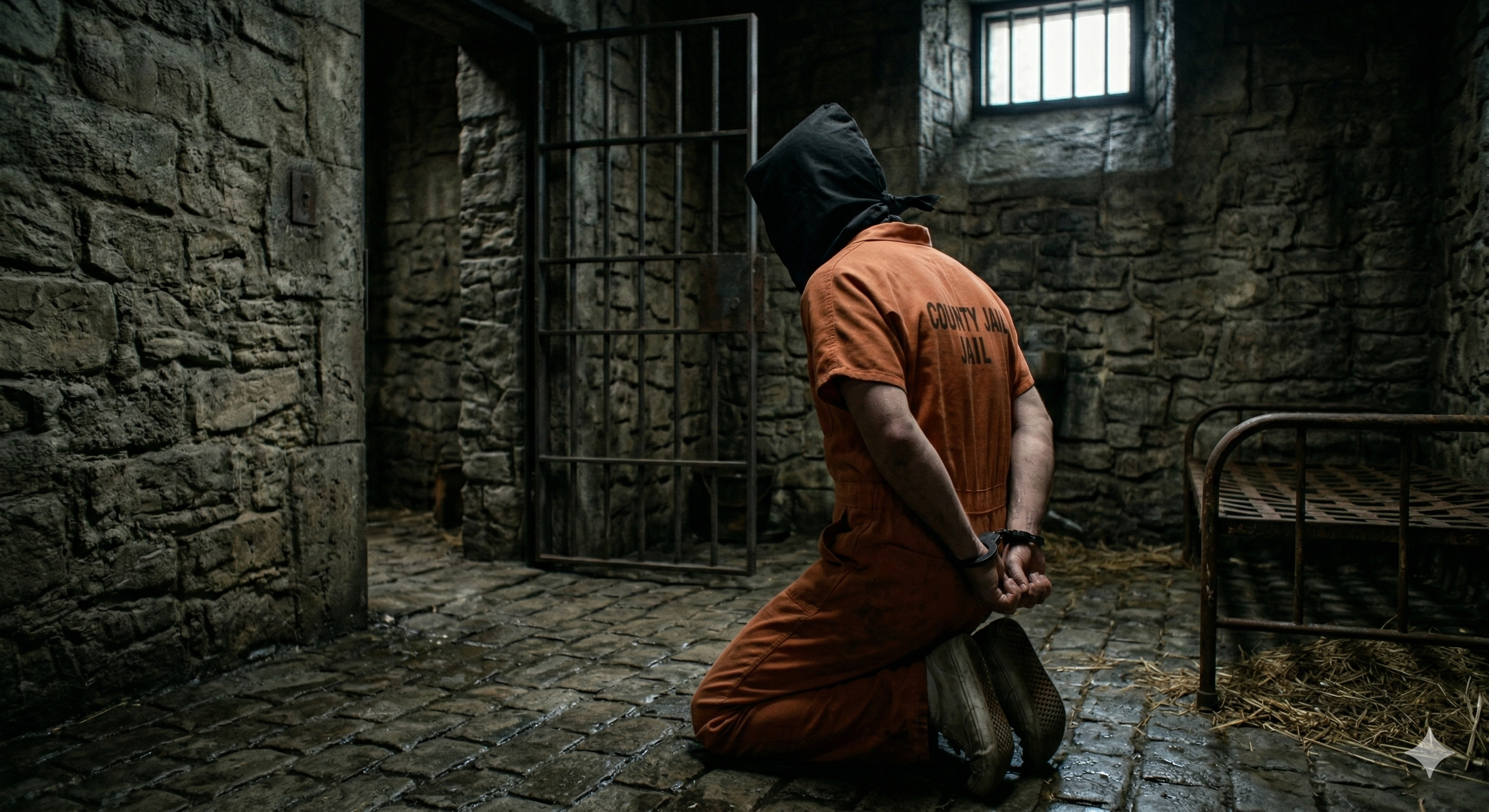
Suicide Watch in Jails: Psychological Punishment by LeRoy Nellis
Suicide watch psychological punishment allegations have raised serious questions about how detention systems implement mental-health protocols. This report examines claims that protective measures inside jail environments may function as prolonged psychological pressure rather than medical care.

For detention system context, see pretrial detention conditions. For structural analysis, see IGSA detention system overview.
External reference: UN Special Rapporteur on Torture
In Williamson County, Texas, allegations have emerged describing conditions inside the county jail that raise serious constitutional questions about the treatment of pretrial detainees.
One of the most detailed accounts comes from Austin resident LeRoy Nellis, who alleges that what was officially labeled “suicide watch” functioned not as a protective medical measure but as prolonged psychological punishment.
Nellis describes a multi-year legal battle involving repeated charges, SWAT deployment, extended incarceration, and long periods of solitary confinement.
At the center of his claims is the assertion that suicide watch protocols—intended to prevent self-harm—were implemented in ways that inflicted severe psychological stress and physical harm.
Suicide Watch and Psychological Punishment in Jails
In most correctional systems, suicide watch is designed as a protective intervention. When staff believe an inmate may harm themselves, the individual is placed under close observation.
This typically includes specialized clothing, removal of personal property, and continuous monitoring by correctional officers or medical personnel.
Correctional standards emphasize that suicide watch should be used only when clinically necessary and overseen by qualified mental-health professionals.
The intended purpose is prevention and stabilization—not punishment.
However, civil-rights litigation across the United States has increasingly challenged how these protocols are implemented in practice.
Critics argue that poorly supervised suicide watch conditions can resemble extreme isolation environments that worsen psychological distress.
Conditions Alleged in Williamson County Jail
According to Nellis, the conditions experienced during suicide watch were destabilizing rather than protective.
“They stripped me naked, deprived me of sleep, and placed me in solitary confinement engineered to destabilize the mind. The lights never stopped. The temperature swung from freezing to sweltering. The silence was overwhelming—except when broken by sudden noise.”
— LeRoy Nellis
Nellis alleges that these conditions extended for prolonged periods and included continuous lighting, irregular sleep cycles, environmental stressors, and limited human contact.
He contends that the environment functioned as psychological pressure rather than clinical observation.
Solitary Confinement and Mental Health Impact
Prolonged solitary confinement has been widely studied by psychologists and human-rights organizations.
Reports from international bodies, including the United Nations, have concluded that extended isolation can cause severe psychological harm.
Common effects include:
- Sleep disruption and chronic insomnia
- Anxiety and panic attacks
- Cognitive impairment
- Depression and emotional instability
- Sensory distortion or hallucinations
When suicide watch conditions resemble solitary confinement, critics argue the practice may increase risk rather than reduce it.
Medical Oversight Questions
Nellis states that his time in custody resulted in long-term physical and medical complications, including visual impairment and physical limitations.
Determining causation requires medical documentation and expert review. However, the presence of lasting conditions raises questions regarding medical oversight within detention facilities.
Under constitutional standards, jail officials may be held liable if they demonstrate deliberate indifference to serious medical needs.
Broader Pattern of Jail Condition Allegations
Williamson County has faced multiple lawsuits involving allegations of excessive force, restraint practices, and jail conditions.
While each case presents unique facts, recurring litigation has drawn increased scrutiny from legal observers and civil-rights advocates.
These cases often focus on the balance between institutional control and the constitutional rights of detainees.
Conclusion — Suicide Watch and System Accountability
Suicide watch protocols are intended to protect vulnerable individuals. However, when implemented without appropriate safeguards, they may produce conditions that resemble psychological punishment.
Evaluating these claims requires independent review, access to records, and careful examination of detention practices.
Transparency remains essential to ensuring that protective measures function as intended.
Editorial Note: The allegations described in this article are claims made by LeRoy Nellis and have not been adjudicated in court. Any determination of fact will depend on judicial proceedings and independent investigation.