
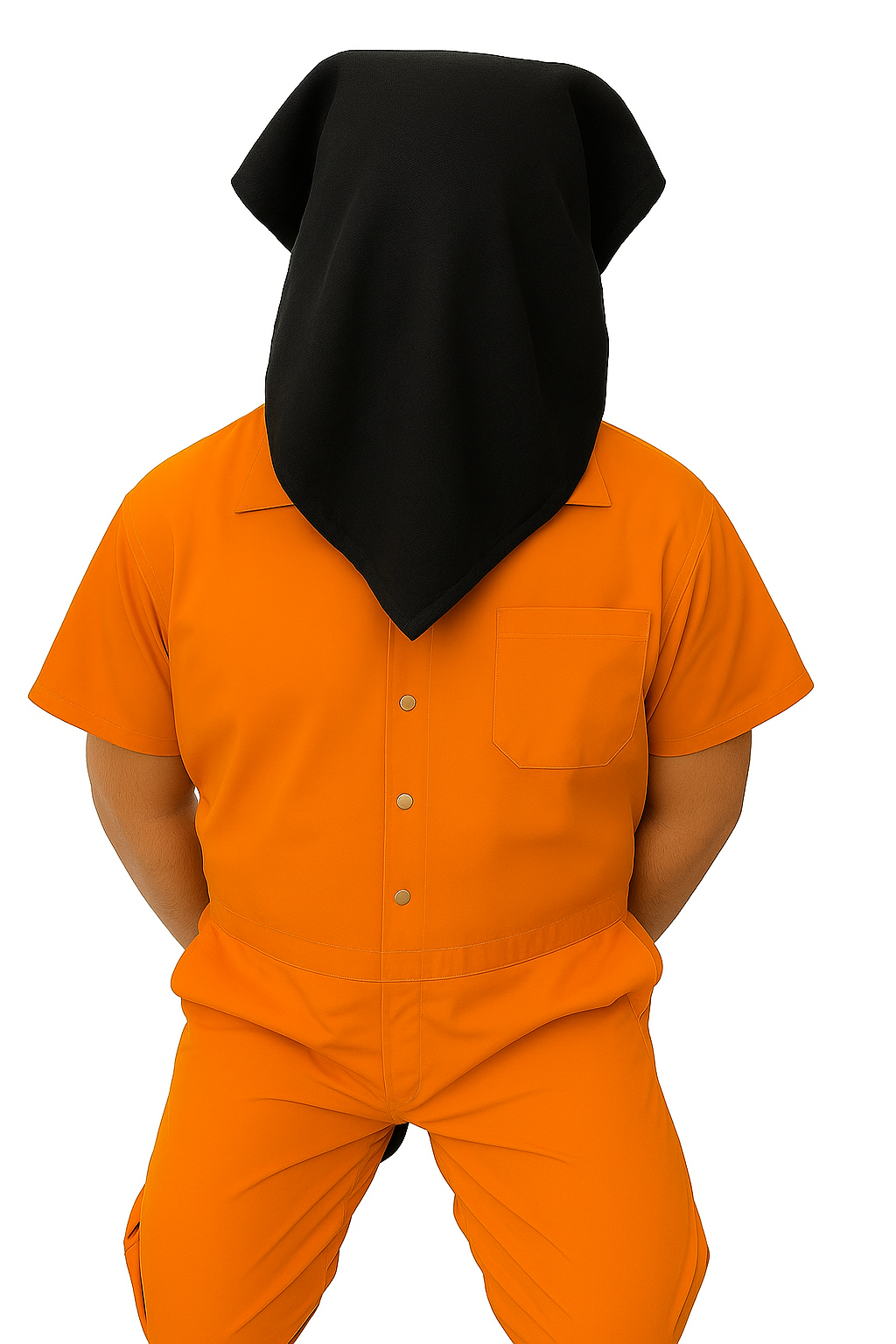
Jail Informant Coercion: How Fear Is Used to Manufacture Testimony
Jail informant coercion occurs when detainees are pressured—directly or indirectly—into providing testimony through fear, leverage, or manipulation inside custodial environments.
By LeRoy Nellis | Austin, Texas
For related documentation, see the systemic detention timeline and the live evidentiary record.
For legal context, review Fourteenth Amendment protections.
Jail Informant Coercion Inside Custody
Inside a jail, you stop taking people at face value.
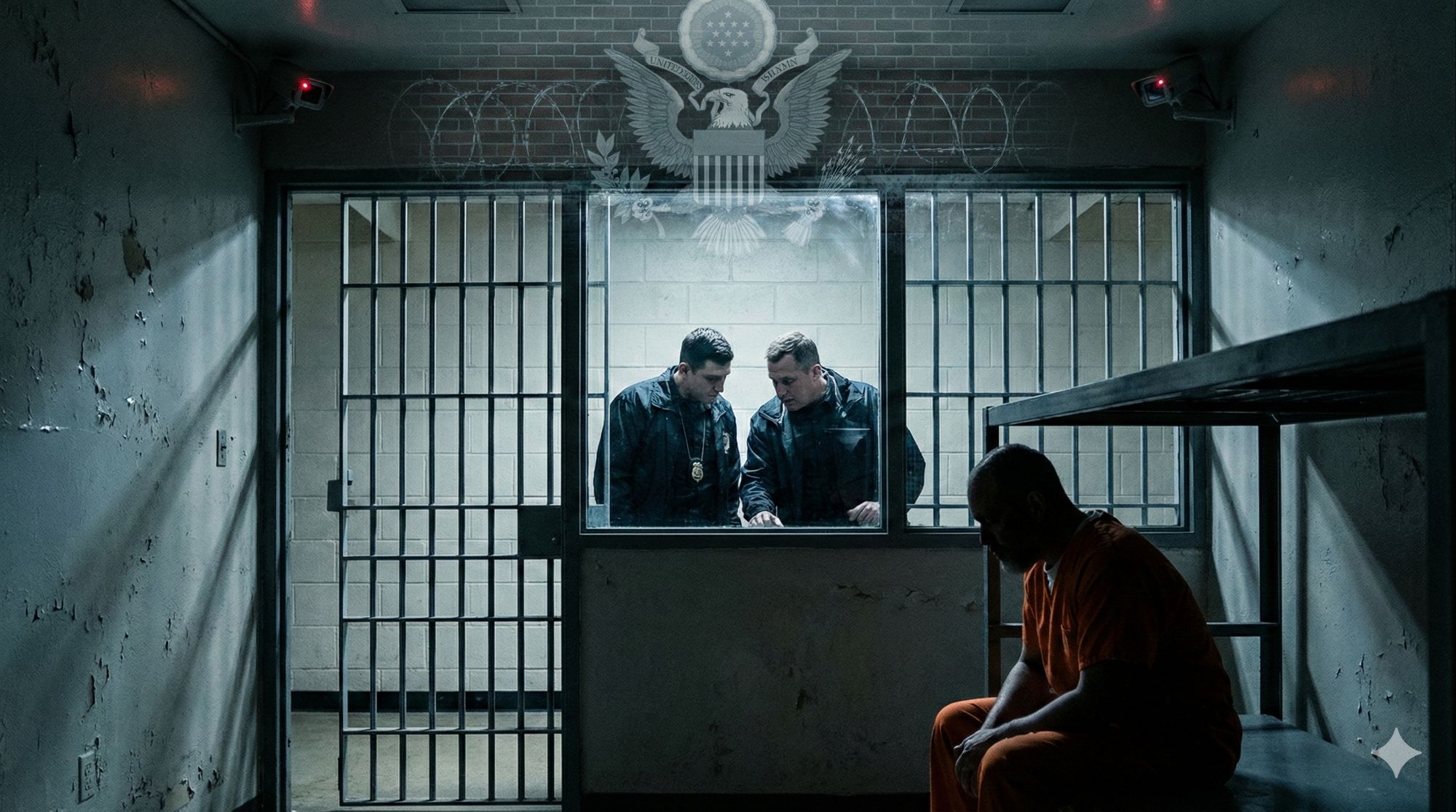
By the time this happened, I was already being detained inside the Williamson County Jail. I had also realized that not everyone housed around me was who they claimed to be. Some presented as inmates, spoke the language of confinement, and blended into the environment—but their behavior didn’t match the reality of incarceration.
Over time, patterns emerged. Individuals operating as inmates asked targeted questions, steered conversations, and carried themselves with an ease that didn’t belong in a cellblock. I identified what appeared to be undercover actors embedded in housing units, operating under the cover of incarceration.
It was during this period that I overheard a conversation that clarified the tactic being used. Two men, presenting as inmates, spoke within earshot about having “friends with ICE” and using those relationships to pressure undocumented individuals into testifying.
Inside a jail, implications carry more weight than threats. When immigration enforcement is introduced as leverage in a custodial environment, fear becomes a substitute for evidence.
This is where jail informant coercion becomes structural. Cooperation is framed as safety. Resistance carries risk. The choice is no longer voluntary—it is manufactured.
This is not lawful investigation. Local law enforcement does not have authority to use real or implied federal immigration consequences as bargaining tools. When this dynamic exists inside a detention facility, custody itself becomes leverage.
Testimony obtained under these conditions is not voluntary. It is shaped by fear, survival, and confinement. Any case built on it carries structural instability.
What stood out most was not just what was said, but how comfortable it was said—inside a locked facility, by people presenting as inmates, surrounded by individuals who had no ability to leave the pressure behind.
That confidence does not come from rumor. It comes from practice.
Justice cannot function where fear replaces evidence, and where testimony is shaped inside controlled environments rather than freely given.