

AI Phone Harassment: Synthetic Calls Used for Psychological Attrition
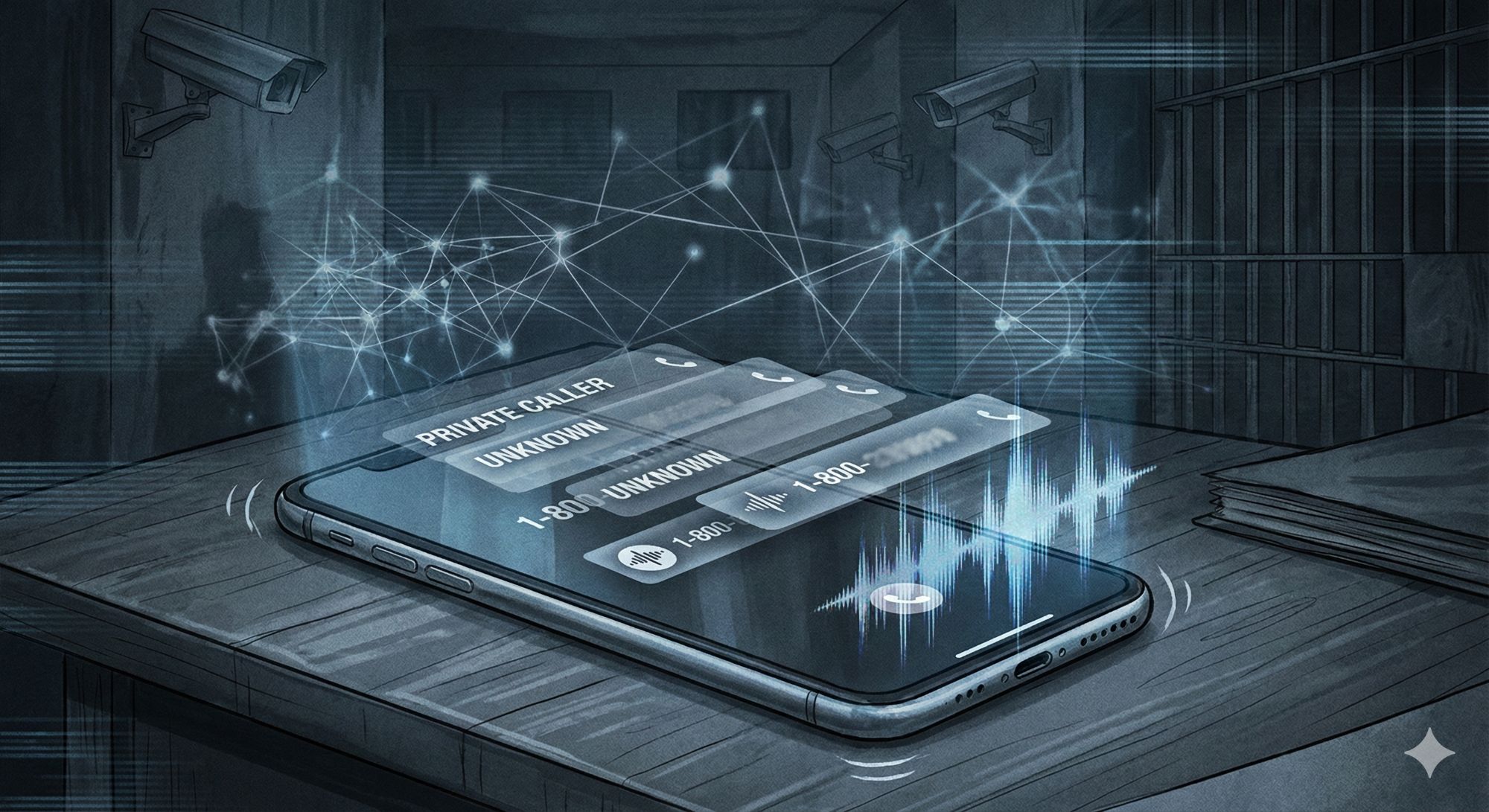
AI phone harassment is the use of artificial intelligence-driven calling systems to repeatedly contact individuals, creating disruption, pressure, and psychological stress without legitimate communication purpose.
By LeRoy Nellis
For related documentation, see the systemic detention timeline and the live evidentiary record.
For regulatory context, review FCC robocall enforcement guidance.
AI Phone Harassment in Practice
This is not spam. It is not a mistake. And it is not random.
This article documents how jail telecommunications systems and criminal justice data infrastructure can be used to generate repeated synthetic calls targeting individuals connected to detainees.
The objective is not communication. The objective is psychological attrition.
The Call Flood
I was bombarded with nonstop phone calls—dozens per day. Different phone numbers. Same timing. Same structure.
The disruption interfered with work, concentration, sleep, and daily functioning, forcing defensive measures just to maintain stability.
This was not inconvenience. This was coercive interference.
These Are Not Robocalls
The voices sound human—but they are not.
Each call repeated identical pronunciation errors and timing patterns, including consistent mispronunciation of my name.
Humans do not make identical mistakes repeatedly. Artificial intelligence systems do.
This repetition creates a recognizable synthetic speech fingerprint.
System Infrastructure
This behavior depends on integrated infrastructure capable of routing calls, mapping identities, and automating contact patterns.
- Target selection
- Call timing control
- Number rotation
- Voice synthesis
This is not consumer robocall technology—it is structured system deployment.
Purpose: Attrition
No meaningful communication occurred. The effect was continuous interruption, cognitive overload, and sustained disruption.
These conditions mirror known detention pressure tactics such as sleep disruption and environmental stress.
Artificial intelligence allows these tactics to scale beyond physical confinement.
Plausible Deniability
Layered systems create a structure where responsibility is diffused, logs are inaccessible, and synthetic voices provide cover.
The result is real harm without clear attribution.
Conclusion
AI phone harassment represents a shift from communication tools to behavioral pressure systems.
When synthetic voices are used to repeatedly disrupt and destabilize individuals, the line between administration and coercion is crossed.