
There were 24 cameras per pod.
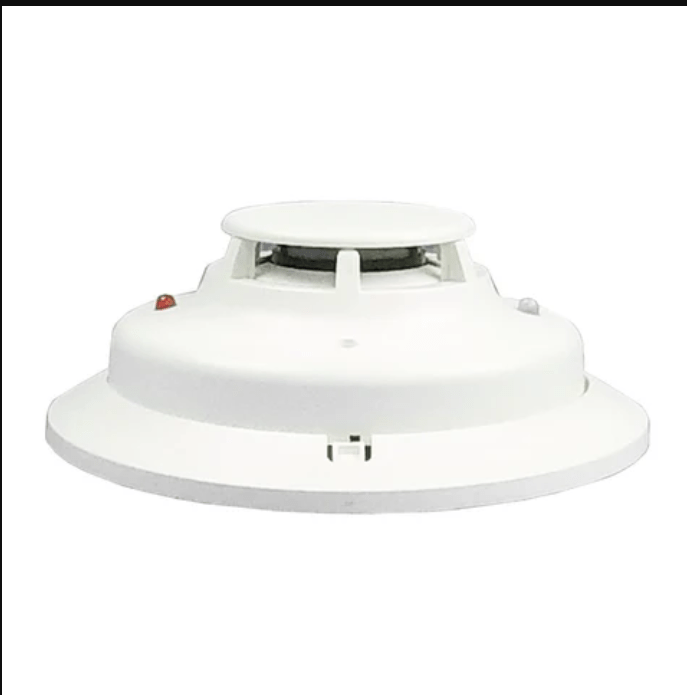
But the most invasive weren’t the ones mounted in plain sight—they were the ones hidden in plain deception. Four of them were tucked inside the restroom alone, disguised as smoke detectors. The ceiling was low, barely eight feet. And I knew exactly what I was looking at.
I’ve spent the last three decades installing those same devices. I know the difference between a heat sensor and a pinhole lens. I know the weight, the wiring, the angle of view. So when I looked up and saw those units positioned above the toilet, the shower, the sink—I didn’t just suspect. I knew.
These weren’t safety tools. They were surveillance weapons. Feeding into DVR systems with 12, 24, or 48 ports depending on the pod’s saturation level. The restroom feeds were routed through isolated channels—harder to trace, easier to deny. And when I asked for the footage? “Not available.” “Not retained.” “Not recorded.”
This is my personal hell.
From January 2024 through July 2025, under the Williamson County Sheriff’s Office, I lived inside a system that recorded everything and admitted nothing. But I didn’t just survive—I documented. I ritualized. I turned every hidden lens into a witness. This isn’t just testimony. It’s indictment. It’s curriculum. It’s fire
📹 When Cameras Are Typically Allowed in Jail Cells
- Suicide Watch or High-Risk Inmates: Cameras are often installed in cells housing individuals at risk of self-harm, violence, or escape. These are usually tamper-resistant and anti-ligature to prevent further harm.
- Administrative Segregation or Solitary Confinement: In high-security units, especially where abuse allegations or behavioral concerns exist, surveillance may be used to monitor staff conduct and inmate safety.
- Evidence and Accountability: Video footage can be critical in investigating incidents, protecting inmates from abuse, and documenting misconduct.
⚖️ Legal and Ethical Boundaries
- Privacy Concerns: Courts generally uphold surveillance in jails as long as it serves a legitimate safety or security purpose. However, constant monitoring in areas like bathrooms or during strip searches may violate constitutional protections.
- Federal Oversight: The Prison Camera Reform Act of 2021 mandates upgrades to camera systems in federal prisons to improve safety and accountability, especially where past deficiencies hindered investigations.
 LeRoy Nellis