
This is not a misunderstanding. This is retaliation.
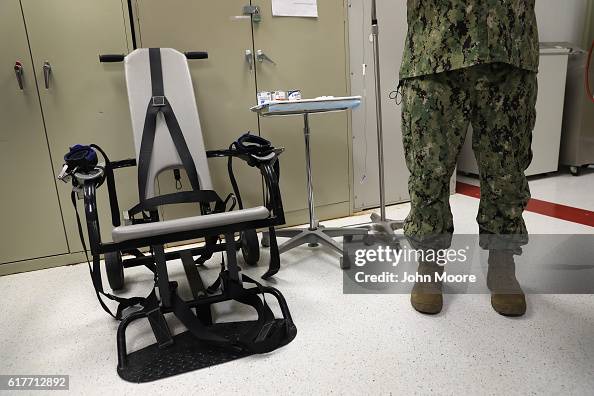
While detained at Williamson County Jail, the jail staff confiscated my Bible and then escalated to physical punishment when I refused to surrender it. The response was not de-escalation. It was not a safety measure.
I was placed into a restraint chair for approximately two and a half hours.
This incident was not about security. It was about forced compliance.
The Incident
- Jail staff demanded that I give up my Bible.
- I refused to surrender my religious text.
- Rather than inspecting it or resolving the issue reasonably, staff escalated the situation.
- I was strapped into a restraint chair for approximately 2.5 hours.
No weapon. No violence. No emergency.
Just a Bible — and a refusal to give it up.
This Was Not “Policy.” This Was Punishment.
Jails routinely hide behind the word policy to excuse conduct that would be criminal anywhere else. But policy does not override the Constitution.
A Bible is not contraband. Religious exercise is not a disciplinary offense. And mechanical restraint is one of the most extreme control tools available to jail staff.
Using a restraint chair to compel surrender of religious property is not correctional management — it is retaliation.
Constitutional Violations Triggered by This Act
1. First Amendment — Free Exercise of Religion
The First Amendment protects the free exercise of religion. Retaliating against an individual for refusing to surrender a religious text is a direct infringement on that right.
The sequence matters:
- Exercise a protected right.
- Refuse to abandon it.
- Be physically punished.
That is the definition of unconstitutional retaliation.
2. Fourteenth Amendment — Pretrial Punishment
As a pretrial detainee, I was not legally subject to punishment. Any force used must be objectively reasonable and related to a legitimate governmental interest.
Strapping someone into a restraint chair because they would not surrender a Bible is punitive by design.
3. Cruel, Inhuman, and Degrading Treatment
Restraint chairs are not neutral devices. They are instruments of pain, humiliation, and psychological pressure. Their misuse has been widely criticized due to the risk of nerve damage, circulatory compromise, positional asphyxia, and lasting trauma.
Using one to coerce religious surrender crosses the line from control into abuse.
What the County Will Claim — and Why It Fails
There are only three defenses typically used in cases like this:
- “Security risk” — A Bible is not a weapon.
- “Disruptive behavior” — Exercising religion is not disruption.
- “Minimal force” — A restraint chair is not minimal.
If this was truly about safety, the County should be able to produce:
- A detailed use-of-force report
- Supervisor authorization
- Medical assessments before, during, and after restraint
- Video footage of the incident
- Restraint chair logs with exact timestamps
- Property logs documenting the Bible’s confiscation and return
Silence, missing records, or vague justifications are not defenses. They are admissions.
This Was About Control
This incident sends a clear message inside jail walls:
“Give up what matters to you — or we will make you.”
Today it was a Bible. Tomorrow it is medical care. Grievances. Legal paperwork. Speech.
This is how coercion systems function — not through law, but through pain.
Final Statement
A jail may inspect a Bible.
It may not strap a human being into a restraint chair to take one.
This article exists so the record is public, permanent, and cannot be buried.
If Williamson County disputes these facts, the remedy is simple:
Release the logs. Release the video. Release the medical records.
Until then, the restraint chair speaks for itself.
 LeRoy Nellis